BPC-157: Preclinical Evidence, Regulatory Status, and Lab Considerations
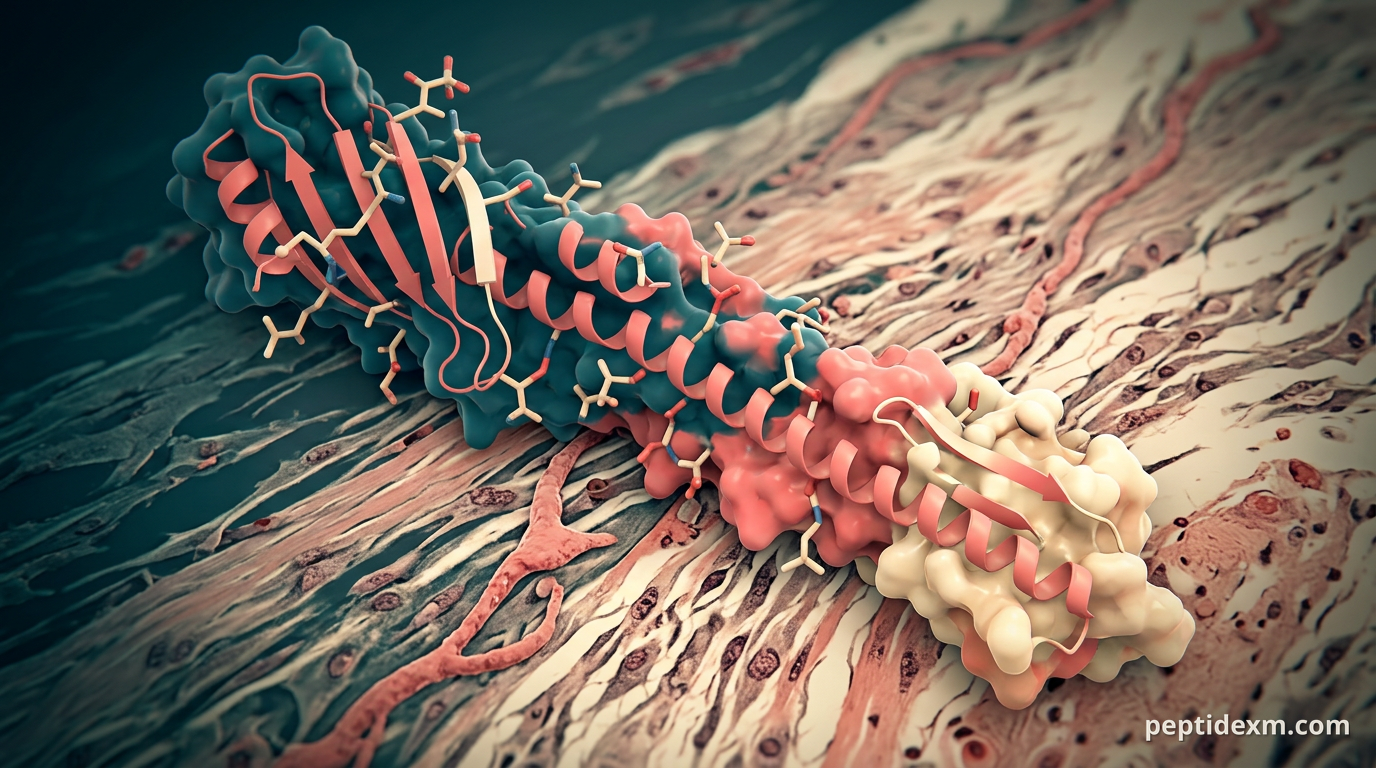
BPC-157 appears frequently in preclinical papers and experimental reports. Most of the dataset is animal-based, regulatory classification limits human use, and quality-control issues make it a compound that requires careful planning in a laboratory setting.
What BPC-157 is and how it's studied BPC-157 is a synthetic peptide fragment derived from a naturally occurring gastric protein. Laboratories have tested it across a range of models, with the majority of published work using rodents. Studies vary in route of administration, formulation, and outcome measures, which makes cross-study comparison difficult. Mechanistic proposals in the literature point to influences on angiogenesis, inflammation signaling, and extracellular matrix modulation. Those mechanisms are described mainly from cell-culture and animal experiments; there are no well-characterized human pharmacokinetic studies available.
Key findings from preclinical research Across rodent studies, investigators report changes in wound-healing endpoints, markers of tissue damage, and inflammatory mediators. Results are concentrated in models of surgical trauma, toxin exposure, and induced soft-tissue injury. Effect sizes and endpoints are heterogenous—some papers measure histology, others use functional readouts—so synthesis requires caution. Two practical takeaways from the preclinical literature:
Most evidence comes from controlled animal experiments rather than clinical trials. Experimental conditions vary widely (route, vehicle, timing), limiting straightforward extrapolation between studies.
Safety signals, regulatory classification, and legal context Regulatory bodies treat BPC-157 as a research-only compound. In the United States, the U.S. Food and Drug Administration has identified it as a higher-risk compounded substance (often described as category 2), noting limited safety data and the potential for immune responses. That designation carries implications for compounding pharmacies and distributors. International sports authorities have also taken a firm stance: BPC-157 appears on the World Anti-Doping Agency prohibited list (listed as prohibited at all times as of 2026). Researchers working with athlete samples should account for this in protocol design and consent materials.
Practical considerations for research labs When planning experiments with BPC-157, prioritize documented chain-of-custody and analytical verification. Certificate of analysis (CoA) review, third-party mass-spectrometry confirmation, and stability data reduce risk when interpreting experimental outcomes. Suppliers commonly market BPC-157 for research use only; confirm labeling and legal status before purchase. For labs that require a research-grade peptide, source documentation is essential. Peptide identity and purity should be verifiable, and storage conditions must match the supplier’s stability data.
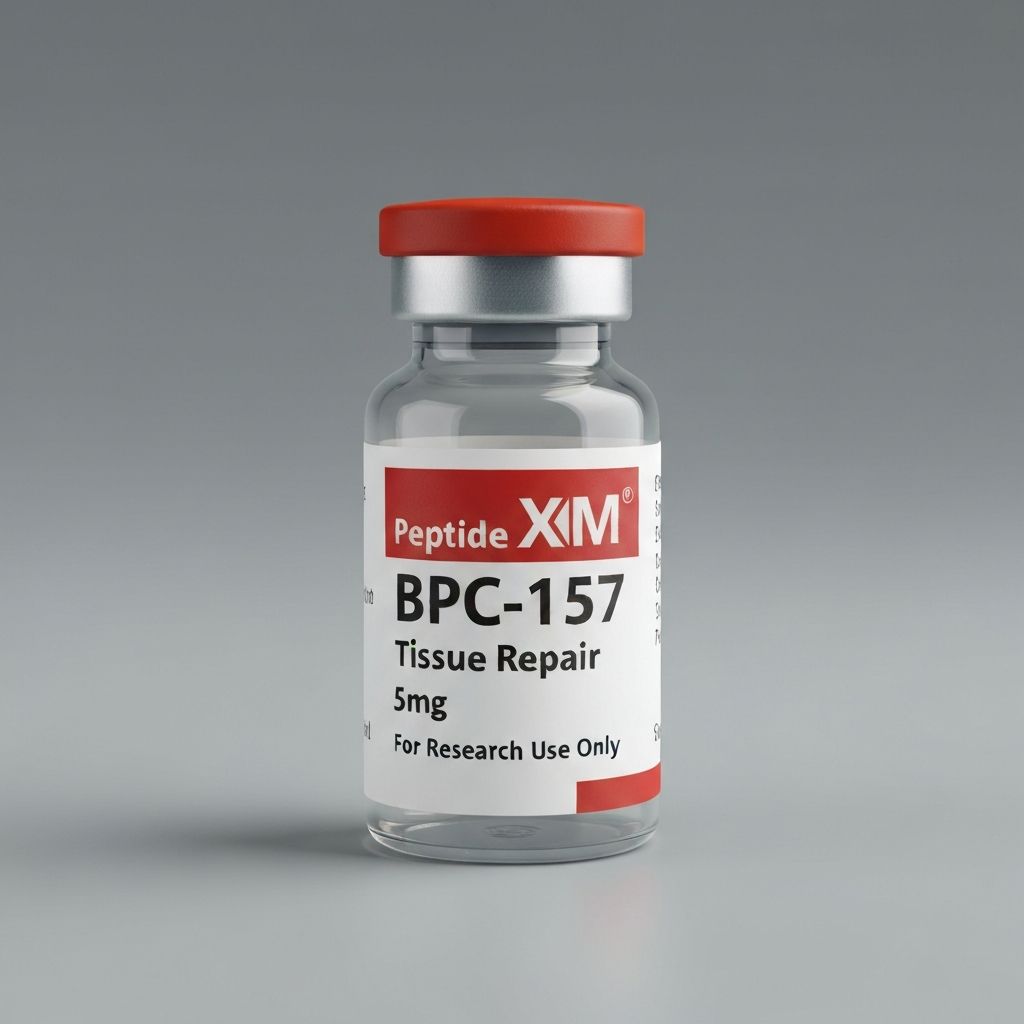

Gaps in the evidence and priorities for future work The most pressing gaps are human pharmacokinetics and controlled safety data. Without characterized absorption, distribution, metabolism, and excretion profiles in humans, it's not possible to translate rodent findings reliably. Long-term safety datasets are likewise absent. Useful future directions for researchers include standardized animal protocols to improve comparability, formal pharmacokinetic studies, and rigorous assays for immunogenicity. Improved transparency from suppliers—CoAs, stability studies, and independent verification—would also strengthen the experimental base.
BPC-157 is a widely studied peptide in preclinical models but remains research-only from a regulatory and safety standpoint. Labs working with it should document identity and quality, design studies that address current evidence gaps, and follow applicable legal and ethical requirements.