GLP-1
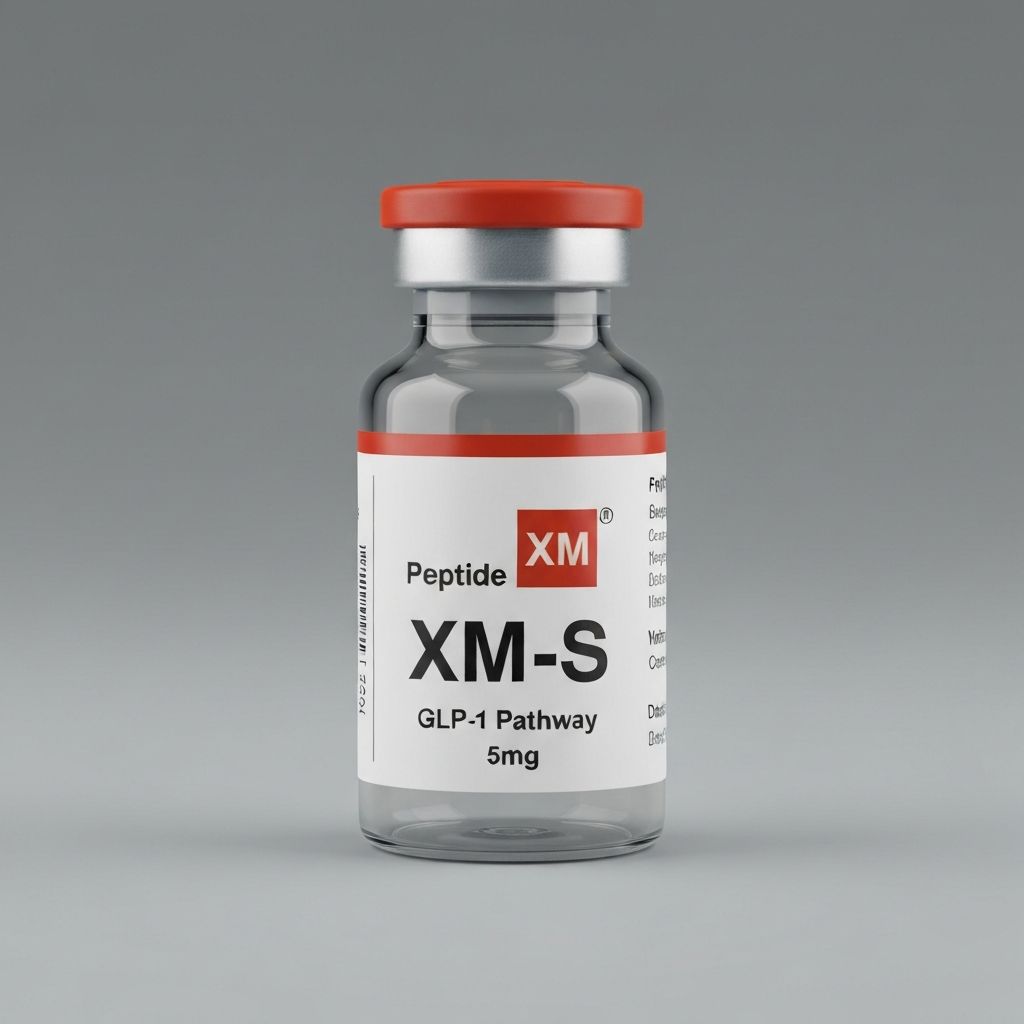
XM-S (GLP-1 Pathway)
GLP-1 receptor agonist peptide for metabolic and appetite research.
View product →
GLP-1
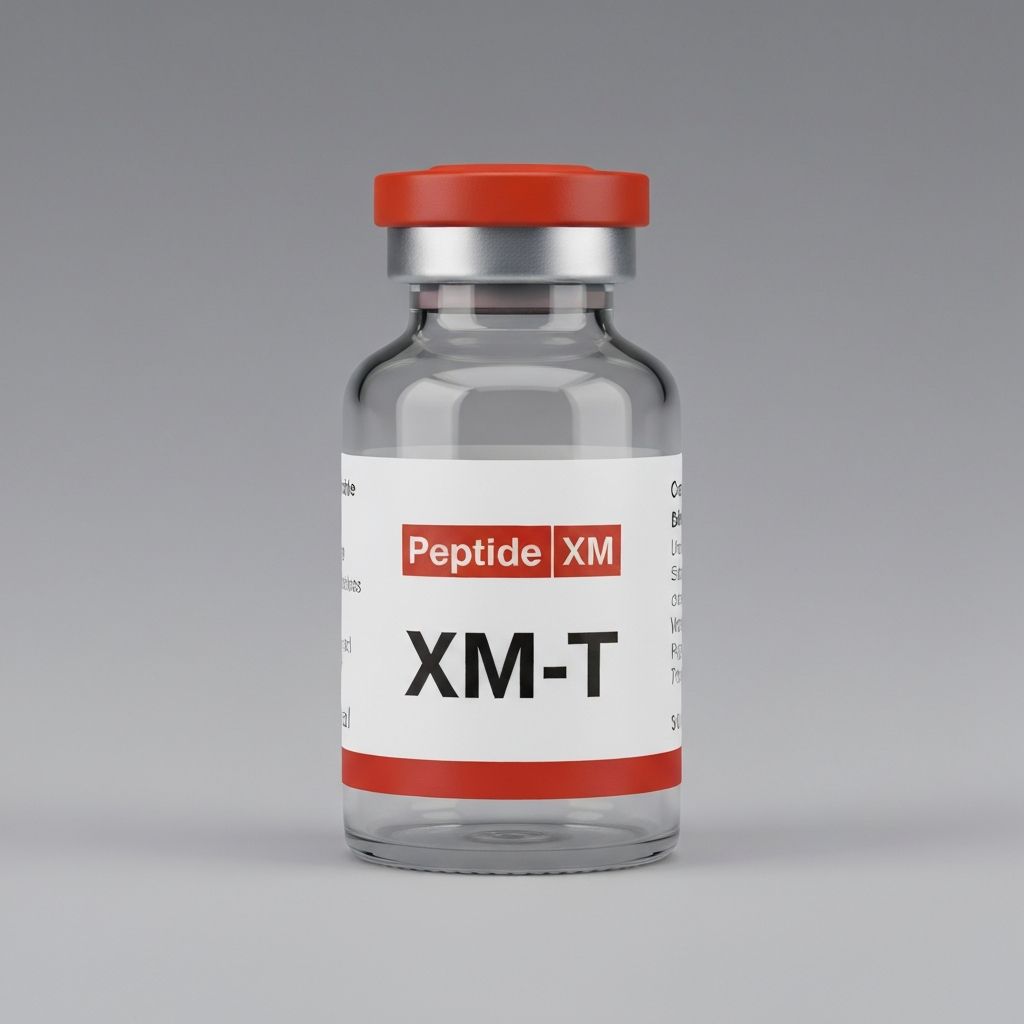
XM-T (Dual Pathway)
Dual GIP and GLP-1 receptor agonist for metabolic research applications.
View product →
A recent large claims-based comparative analysis examined cardiovascular outcomes among almost one million adults prescribed newer incretin-pathway agents and older diabetes medications. The headline: GLP-1–pathway therapies were associated with lower rates of major adverse cardiovascular events compared with selected comparators, and differences between the two leading agents were modest.Study design at a glanceThe investigators used national administrative claims to perform a comparative-effectiveness analysis across treatment groups in routine clinical practice. In claims datasets, prescriptions, diagnostic codes, and hospitalization records are linked across large populations, which lets researchers study rare outcomes and early effect onset without running a new randomized trial.Key features of the design:Population scale: about 1,000,000 adult patients who started one of the agents of interest or a comparator drug.Comparisons: two newer agents (a dual-pathway incretin and a GLP-1–selective agent) each were compared to different reference drugs familiar in standard diabetes care.Outcomes: composite cardiovascular endpoints such as heart attack and stroke, plus all-cause mortality where available in linkage.Analytic approach: techniques for observational data—propensity adjustment and sensitivity analyses—were used to control measured confounding and test robustness.Main findings and effect sizesTwo headline contrasts emerged. The GLP-1–selective agent showed an approximately 18% lower risk for major ischemic events (stroke and myocardial infarction) when compared with a DPP-4 inhibitor comparator. The dual-pathway incretin showed roughly a 13% lower risk for the composite of stroke, myocardial infarction, and death versus an older GLP-1 receptor agonist comparator.Those percentages represent relative differences observed in routine-care data. Absolute risk reductions depend on baseline event rates and follow-up duration, which varied across subgroups in the dataset. The investigators also reported that protective signals appeared early after treatment initiation, implying mechanisms that may not be explained solely by gradual weight change.Why a claims-based head-to-head mattersRandomized trials remain the gold standard for causal inference, but they take years and are typically designed for regulatory or narrowly defined clinical questions. Large administrative databases cover heterogeneous patients seen in everyday practice—older adults, those with multiple comorbidities, people excluded from typical trials—and therefore answer a different question: how these drugs perform outside controlled settings.Head-to-head randomized trials between two recently approved incretin-pathway agents are rare. Observational comparisons can supply timely information on comparative effectiveness, event timing, and subgroup differences. That said, the trade-off is internal validity: observational analyses rely on measured covariates and modeling assumptions to approximate randomization.Mechanistic interpretation: why benefits may appear earlyThe observation of an early separation in event curves invites mechanistic hypotheses. Weight change takes months; an effect apparent within weeks or a few months suggests alternate or additional pathways.Hemodynamic factors: incretin-pathway signaling can influence heart rate and blood-pressure regulation in experimental settings.Metabolic modulation: rapid shifts in postprandial glucose, lipids, or triglyceride-rich particles may alter short-term ischemic risk.Inflammatory and endothelial effects: preclinical work shows GLP-1 receptor agonists can change markers of endothelial function and inflammation on relatively short time scales.None of these mechanisms is proven as the causal link to early reductions in major events in humans. They remain plausible biological routes that require targeted mechanistic studies—bench and clinical—to confirm temporal and dose-response relationships.Limitations to weigh when reading the resultsClaims-based observational analyses bring scale but also specific vulnerabilities. Here are the most important ones to keep in mind when interpreting the reported effect sizes.Residual confounding: even well-specified propensity models only adjust for observed and accurately coded variables. Unmeasured factors—smoking history, frailty, socioeconomic status, or clinician prescribing preference—can bias estimates.Comparator selection: each active comparator sets a different benchmark. A DPP-4 inhibitor and an older GLP-1 agonist are not identical baselines; effect estimates thus reflect relative differences, not absolute superiority.Misclassification: diagnostic and outcome coding in claims is optimized for billing. Algorithms to define myocardial infarction or stroke vary in sensitivity and specificity and can introduce measurement error.Follow-up and exposure mismeasurement: prescription fill records do not guarantee ingestion, and treatment discontinuation or switching complicates intention-to-treat versus as-treated analyses.Population generalizability: while broader than an RCT, the dataset still excludes people outside the claims system and may under-represent uninsured populations or those in certain payor plans.How researchers should use these resultsFor laboratory and translational researchers, observational signals are hypothesis generators. The comparative-effectiveness findings suggest where mechanistic studies could be concentrated—rapid metabolic changes, endothelial biology, or inflammation pathways. For researchers working with peptide reagents, examining acute cellular and vascular responses to GLP-1–pathway agonists in vitro and in animal models could clarify plausibility.If your next project aims to probe short-term cardiovascular biology linked to incretin signaling, consider models that capture early time points (hours to weeks) and endpoints like endothelial function, platelet activity, or inflammatory cytokine profiles.
GLP-1
XM-S (GLP-1 Pathway)
GLP-1 receptor agonist peptide for metabolic and appetite research.
View product →
GLP-1
XM-T (Dual Pathway)
Dual GIP and GLP-1 receptor agonist for metabolic research applications.
View product →
Practical recommendations for designing similar comparative analysesResearchers planning their own claims-based or registry studies can learn from this work. Below are design choices and sensitivity checks that improve credibility.Core design elementsNew-user design: include only treatment initiators to avoid immortal-time bias and to capture baseline covariates before exposure.Active-comparator selection: choose comparators with similar prescribing indications to limit confounding by indication.Propensity methods: combine propensity-score matching or weighting with rich covariate sets, including prior healthcare utilization, comorbidity indices, and medication history.Outcome validation: where possible, validate claims-based algorithms against chart review or registries to estimate misclassification rates.Sensitivity analyses that matterNegative- and positive-control outcomes to detect systematic bias.As-treated versus intention-to-treat approaches to bracket effects under different adherence scenarios.Instrumental-variable or high-dimensional propensity-score methods when unmeasured confounding is a severe concern.Subgroup analyses by baseline cardiovascular risk, age, or renal function to see where effects concentrate or fade.What we still need to learnThe observational signals are informative but incomplete. Three research paths will refine understanding:Mechanistic trials that measure intermediate biomarkers shortly after initiation, paired with imaging or vascular function studies.Longer-term follow-up cohorts to assess durability of effect and late emergent harms or benefits.Randomized head-to-head trials between the two agents to settle comparative-effectiveness questions in a causal framework.Until those data arrive, claims-based comparative studies serve as timely, population-scale evidence to prioritize mechanistic hypotheses and to identify subgroups where randomized study would be most informative.Observational, claims-based comparisons find modest-to-moderate relative reductions in major cardiovascular events for GLP-1–pathway agents versus selected comparators, and differences between the two newer agents were small. Use these results as a starting point for mechanistic work and carefully designed follow-up studies rather than as definitive causal proof.