Do GLP-1 Peptides Require Reconstitution and How to Do It
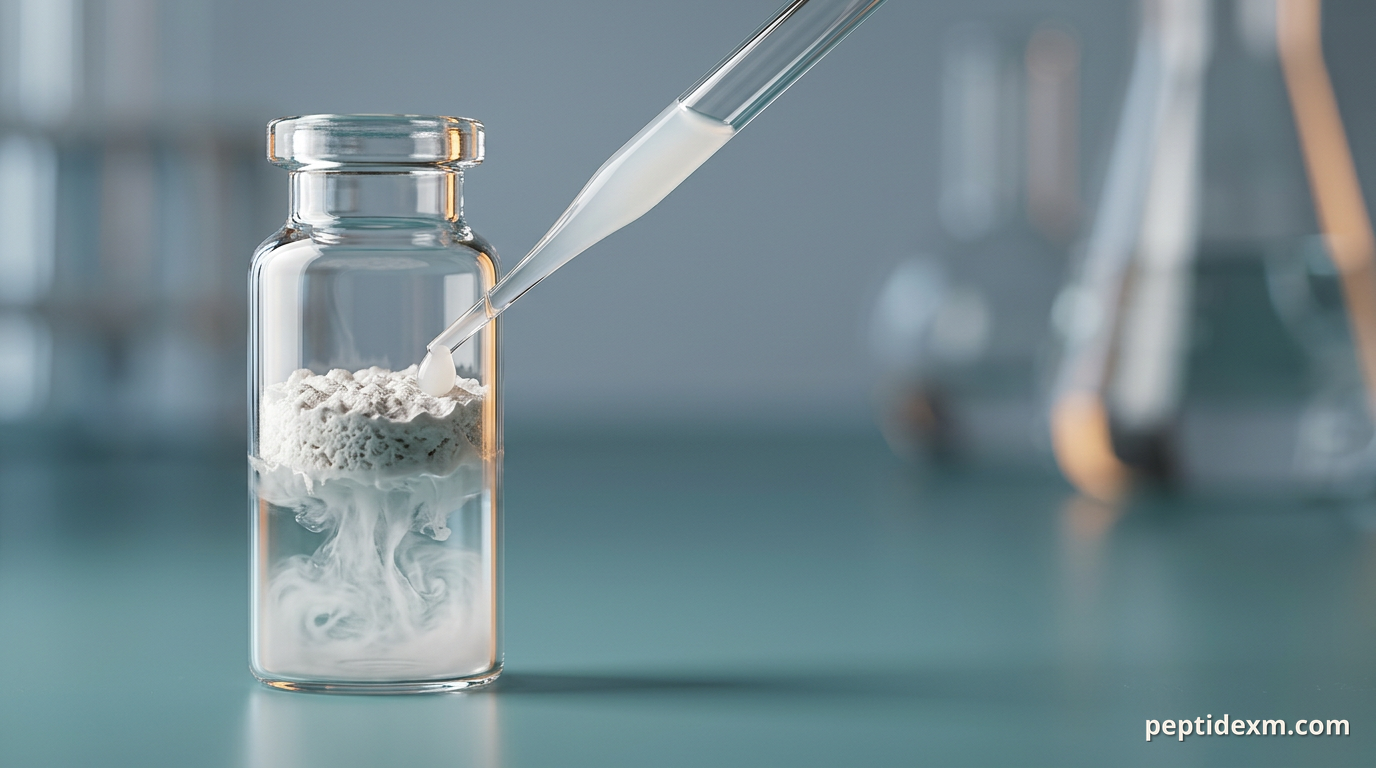
Short answer: many GLP‑1 research peptides arrive freeze‑dried and need reconstitution before use; the exact procedure depends on the peptide, the vial content, and the solvent you choose. This guide walks through why, what, and how to reconstitute GLP‑1 peptides for research‑only work in a lab setting.
What we mean by “GLP‑1 peptides” and “reconstitution” GLP‑1 stands for glucagon‑like peptide‑1, a naturally occurring peptide hormone. In research, the term often refers to synthetic peptides or peptide analogs that target the GLP‑1 receptor. A peptide is a short chain of amino acids. Peptides used in the lab are chemical reagents, not finished pharmaceuticals. Reconstitution is the process of dissolving a lyophilized (freeze‑dried) powder into a liquid solvent to make a usable solution. Lyophilized means water was removed under low temperature and pressure to produce a dry, stable powder. The powder is easier to ship and store long term, but it must be dissolved before most experimental uses.
Do GLP‑1 peptides typically require reconstitution? Most research peptides — including many GLP‑1 analogs — are supplied as lyophilized powder. That means, yes, they require reconstitution. However, some vendors supply ready‑to‑use solutions. Always check the vial label, product datasheet, or Certificate of Analysis for the physical form. Key checklist before you start: look for the word “lyophilized” or “freeze‑dried” on the label, confirm the mass in the vial (for example, 2 mg or 5 mg), and read any vendor instructions. If the supplier provides a recommended solvent and volume, follow that for research consistency.
Why correct reconstitution matters in research Reconstitution affects three things scientists track closely: concentration, stability, and sterility. Concentration determines the amount of peptide per unit volume (commonly mg/mL or µg/mL). Stability refers to how long the peptide retains structure and activity after being dissolved. Sterility matters because a contaminated solution can ruin experiments.
Concentration: accurate solutions make experimental conditions reproducible. Stability: some peptides degrade faster in water or at room temperature; the solvent choice influences shelf life. Sterility: non‑sterile technique introduces microbes and proteases that can break down peptides.
Supplies and environment you need Gather tools before you open the peptide vial. Make a short checklist and set up a clean workspace. A small laminar flow hood or a clean bench is ideal; a dedicated lab bench cleaned with a 70% isopropyl or ethanol wipe can suffice for basic reconstitution work. Minimal supplies:
Bacteriostatic water or sterile water for injection. Bacteriostatic water contains a small preservative (usually 0.9% benzyl alcohol) that helps prevent bacterial growth; sterile water contains no preservative. Sterile syringes and needles for measuring and transferring liquid. Insulin syringes are common for small volumes. Alcohol swabs or wipes to clean vial tops and work surfaces. Personal protective equipment: gloves, eye protection, lab coat. Labeling materials: freezer‑proof labels and an indelible marker to note concentration, solvent, date, and initials.
Note on solvent choice: bacteriostatic water is convenient for multi‑use vials because of the preservative, but some assays react to benzyl alcohol or other additives. If your downstream method is sensitive, use sterile water for injection or the supplier’s recommended solvent.
Examples from our catalog Some GLP‑1 analogs we supply are sold as lyophilized powder and typically need reconstitution; check the product page and datasheet for the specific form supplied.
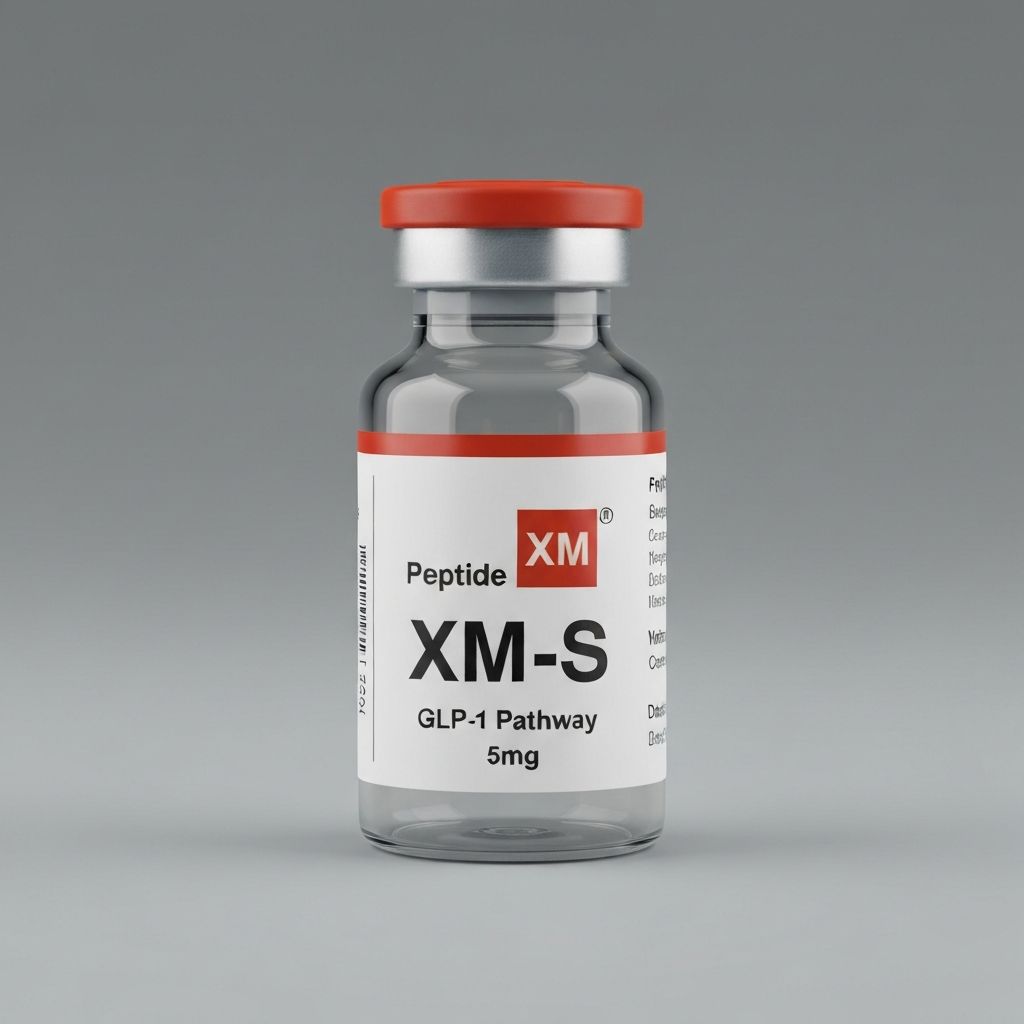
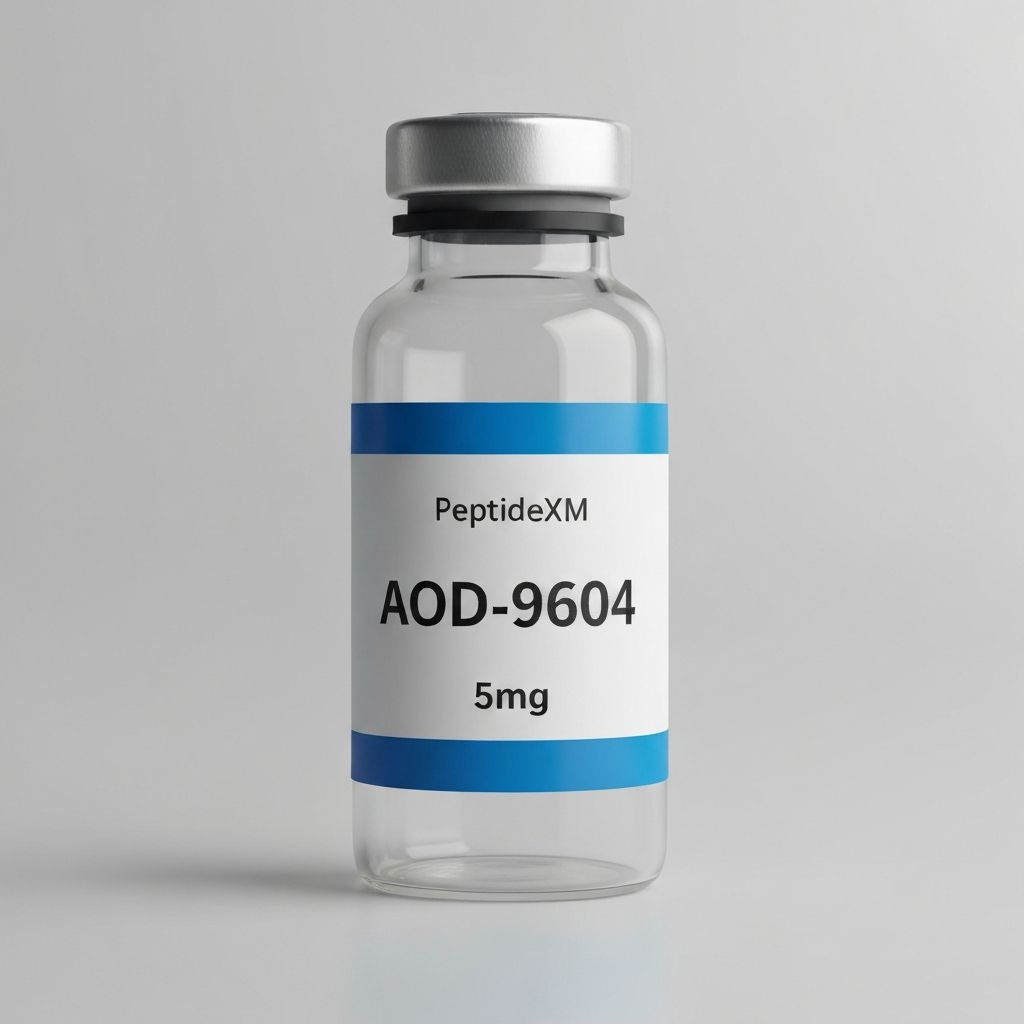
Step‑by‑step reconstitution procedure (lab SOP style) Below is a practical, generic protocol. Treat it as a template. Adapt volumes and solvents per the product datasheet and your experimental plan. Record every step in your lab notebook.
Confirm the vial contents. Read the label: mass of peptide (for example, 5 mg), lot number, and whether the vial is sterile. Check the expiration date and Certificate of Analysis if available. Choose your solvent and target concentration. Common target concentrations range from 1 mg/mL to 10 mg/mL depending on how you will aliquot and use the peptide. Example calculation: to make 5 mg/mL from a 5 mg vial, add 1.0 mL of solvent. Prepare your workspace. Wipe the bench with 70% isopropyl alcohol. Put on gloves and clean the vial top with an alcohol swab. Let the alcohol evaporate for a few seconds. Withdraw solvent into a sterile syringe. For small volumes (≤1 mL) use a fine insulin syringe for precision. Draw slightly more than you need to account for dead volume. Add solvent to the vial. Insert the needle through the vial septum and angle the tip so solvent runs down the glass wall. Avoid spraying directly onto the powder; running the solvent down the wall helps gentle mixing and reduces foaming. Allow the peptide to dissolve without vigorous shaking. Gently swirl the vial or invert it slowly. Vortexing can introduce bubbles and shear; avoid vigorous agitation unless the supplier recommends it. Confirm full dissolution. The solution should be clear or slightly opalescent for most peptides. If particulates or cloudiness persist, consult troubleshooting below before proceeding. Aliquot if needed. For long experiments split the reconstituted peptide into sterile microtubes and freeze at the recommended temperature to minimize freeze‑thaw cycles. Label everything. Write concentration, solvent, date, and initials on each aliquot. Record these in the lab notebook with the lot number and any observations.
How to do the math: concentration and volumes Concentration is mass divided by volume. If you have a 2 mg vial and you want a 1 mg/mL solution, you divide 2 mg by 1 mg/mL to get 2 mL. That means add 2.0 mL solvent to the vial. Quick examples:
5 mg vial to 2.5 mg/mL: 5 mg ÷ 2.5 mg/mL = 2.0 mL solvent. 2 mg vial to 1 mg/mL: 2 mg ÷ 1 mg/mL = 2.0 mL solvent. 5 mg vial to 10 mg/mL: 5 mg ÷ 10 mg/mL = 0.5 mL solvent.
For small volumes, the syringe graduations matter. A 1 mL insulin syringe marked in 0.01 mL increments gives better precision than a 3 mL syringe with 0.1 mL increments. Always account for the syringe dead volume and the small amount that remains in the needle hub.
Common problems and troubleshooting Cloudiness, slow dissolution, or foaming are the issues you’ll encounter most. Below are practical checks and fixes.
Peptide won’t dissolve: check your solvent. Some peptides require a small amount of acid (for example, dilute acetic acid) or a small percentage of DMSO to dissolve; consult the vendor’s datasheet. Use harsh solvents only if compatible with your assay. Cloudy solution or particulates: centrifuge briefly at low speed (for example, 1,000–3,000 × g for 1–2 minutes) and transfer the clear supernatant to a new sterile tube. Don’t force a cloudy solution through a filter unless the peptide is stable to filtering; some peptides stick to filters and you’ll lose material. Bubbles or foam: let the vial sit upright until bubbles dissipate. Avoid vortexing which can increase aggregation in delicate peptides. Unexpected precipitation after freezing: thaw slowly on ice and centrifuge. If precipitation recurs, consider aliquoting into smaller volumes and reducing freeze‑thaw cycles.
Storage, stability, and labeling after reconstitution Lyophilized peptides are typically more stable than solutions. Once reconstituted, stability depends on temperature, solvent, and peptide sequence. Many researchers keep reconstituted peptides at 2–8 °C for short term (days to a few weeks) and at −20 °C or lower for longer storage, in single‑use aliquots to avoid repeated freeze‑thaw. A few practical points:
Record solvent, concentration, date, and lot number on each aliquot. Freeze aliquots rapidly and keep them in a labeled, sealed box to reduce oxidation and moisture ingress. Avoid multiple freeze‑thaw cycles; they accelerate degradation and aggregation. If your experiments are sensitive to preservatives, avoid bacteriostatic water for long‑term storage unless validated in your assay.
Safety, sterility, and record‑keeping Treat reconstitution like any other procedure with potentially bioactive materials. Maintain a sterile technique and keep good records so results are reproducible and traceable. Do not use reconstituted peptides for human or veterinary applications; these products are for research use only.
Handling spills and accidental exposures If you spill peptide solution, cover the area with absorbent pads and apply a disinfectant appropriate for your peptide and solvent system. Wipe from clean to dirty areas, collect waste in a labeled biohazard bag, and dispose following your institution’s hazardous waste protocols. For skin contact, wash the area with soap and water and report the incident per lab policy. Seek occupational health guidance for any significant exposure.
Appendix: example calculations and quick reference Below are straightforward examples you can copy into a lab notebook. Adjust numbers to match your vial size and target concentration.
Example A — 5 mg vial, target 5 mg/mL: add 1.0 mL solvent (5 mg ÷ 5 mg/mL = 1.0 mL). Example B — 5 mg vial, target 2.5 mg/mL: add 2.0 mL solvent (5 mg ÷ 2.5 mg/mL = 2.0 mL). Example C — 2 mg vial, target 1 mg/mL: add 2.0 mL solvent (2 mg ÷ 1 mg/mL = 2.0 mL).
Tip: choose a concentration that makes downstream pipetting easy. If your assay needs 10 µg per well, a 1 mg/mL solution means 10 µL per well, which is simple to pipette accurately. If you often need very small volumes, prepare a more dilute working solution and keep the concentrated stock frozen.
Reconstitution is mechanical and simple when you follow a planned procedure: confirm the vial, choose solvent and concentration, work sterilely, and record everything. Keep aliquots small, store them appropriately, and document stability observations for your particular peptide and assay.