FDA Panel to Review Seven Peptides in July: Notes for Research Users

The U.S. Food and Drug Administration has scheduled an advisory-panel review this summer that could change how a small group of peptides are regulated for compounding pharmacies. For laboratory researchers, the outcome matters for access, supply chains, and the evidence base around these molecules—without changing the underlying need for rigorous, preclinical work.
What the agency is actually deciding The FDA will ask outside advisers to evaluate seven specific peptide substances at a July meeting. The central question is whether these peptides can be added to a list that would allow compounding pharmacies to make them. Ahead of that meeting the agency has signaled it will remove the peptides from a particularly restrictive list used for unapproved, high‑risk drugs. That’s a procedural change, not approval as drugs. Compounding authorization is a distinct pathway from the standard investigational new drug or new drug application process. If the advisory committee votes in favor, the FDA would still need to publish and finalize implementing rules—an additional, often-lengthy administrative step.
Why compounding approval is different from full drug approval Compounding allows pharmacists to prepare specific formulations when a commercially available product isn’t suitable. The FDA and its advisers weigh whether a substance meets criteria for safe compounding—factors like known safety profile, appropriate dosing forms, and whether an FDA‑approved equivalent exists. By contrast, the traditional drug approval pathway requires systematic preclinical studies and controlled clinical trials before a product can be marketed for a clinical indication. Some observers warn that widening compounding access for substances that lack robust human data could reduce incentives to pursue formal development and controlled studies. That tension is part of the debate the advisory committee will confront.
Which peptides are under scrutiny and what the evidence looks like The list under review includes molecules that have gained attention outside academic channels. One frequently mentioned example is BPC‑157, which is widely discussed in online forums and informal circles. Across the set, the common pattern is limited controlled human data and a heavier reliance on preclinical studies or small case-series reporting. For researchers, that means the mechanistic literature (cell culture, animal models) is often the clearest source of experimental rationale, while well‑controlled human data are sparse or absent. Treat the regulatory review as a signal: materials may become more available for laboratory work, but the evidence base that justifies clinical use will likely remain incomplete.
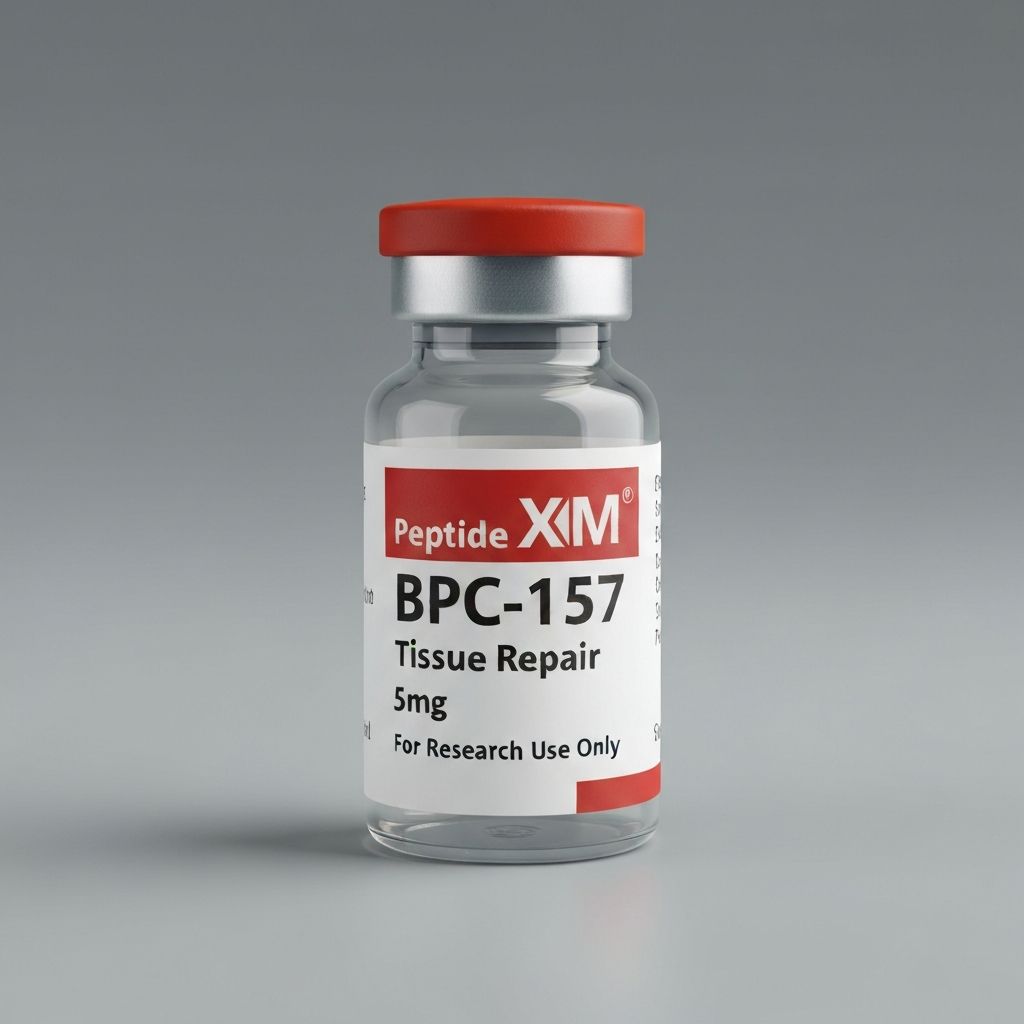
Sourcing, quality control, and risk management for labs Whether these peptides move into a compounding-friendly category or remain restricted, sourcing and analytical verification are nonnegotiable for reproducible research. Key checks research labs should expect to run or request include:
Certificate of analysis (CoA) with identity and purity by validated methods (HPLC, MS). Sterility and endotoxin testing for preparations intended for cell culture or any biological use. Batch traceability and storage-condition documentation from the supplier. Third‑party verification for critical experiments when results hinge on peptide quality.
Keep procurement records and analytical data with your experimental metadata. If you handle sterile reconstitution in the lab, choose appropriate diluents and single-use consumables and follow institutional biosafety procedures.

What to watch next and how researchers should follow it The FDA advisory committee will produce a meeting report and vote that are publicly posted. A favorable vote does not instantly change practice; rule‑writing and a public-comment period typically follow. If you rely on access to particular peptides for projects, track the Federal Register notices, the advisory meeting materials, and the committee transcript. Staffing and policy priorities can affect timing. The advisory panel has had vacancies in recent months, and membership changes can influence deliberations. For transparency, review the FDA briefing documents released before the meeting—those materials summarize the agency’s assessment and the data available to reviewers.
Regulatory change could alter how some peptides are distributed for research, but it won’t substitute for good experimental design. Continue to document sources, run independent quality checks, and be explicit in methods sections about the provenance and testing of peptide reagents.