Skin & Beauty
GHK-Cu
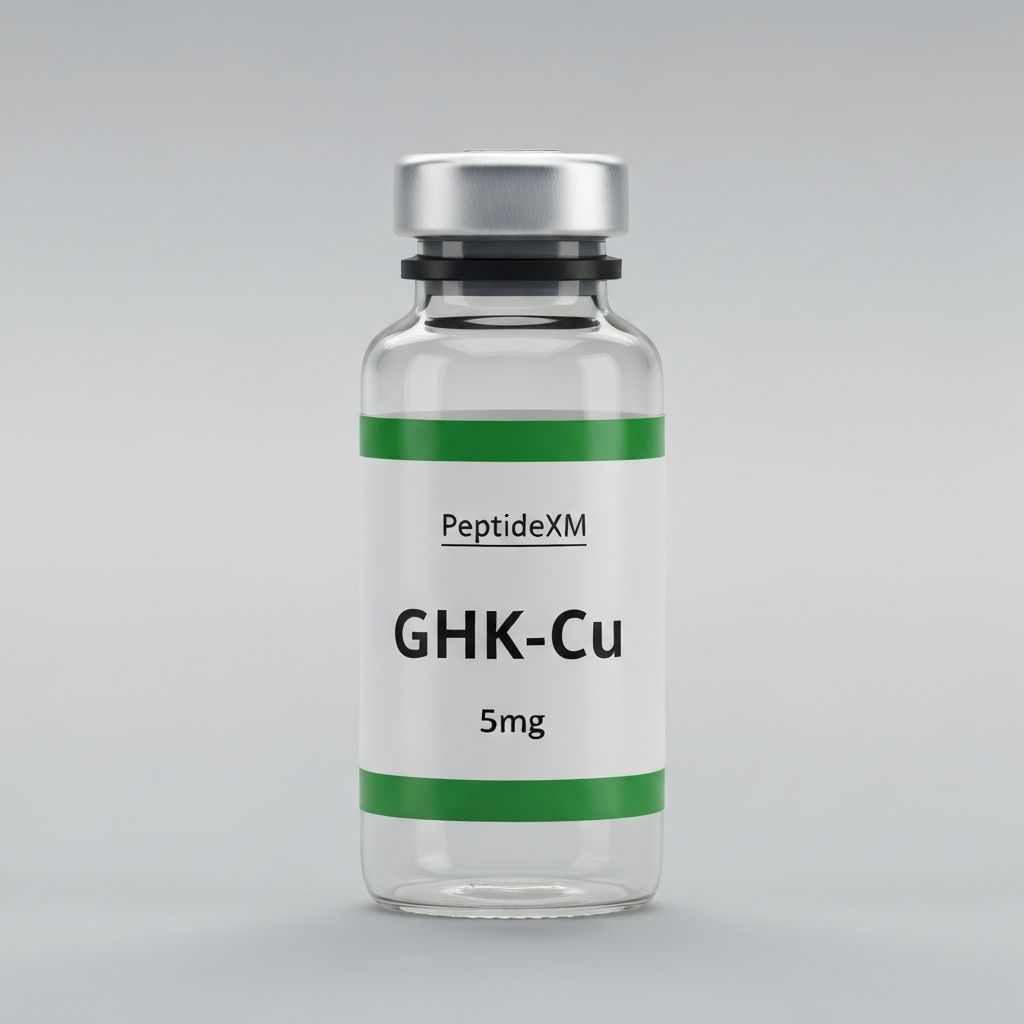
Copper peptide complex for skin regeneration and wound healing research.
View product →
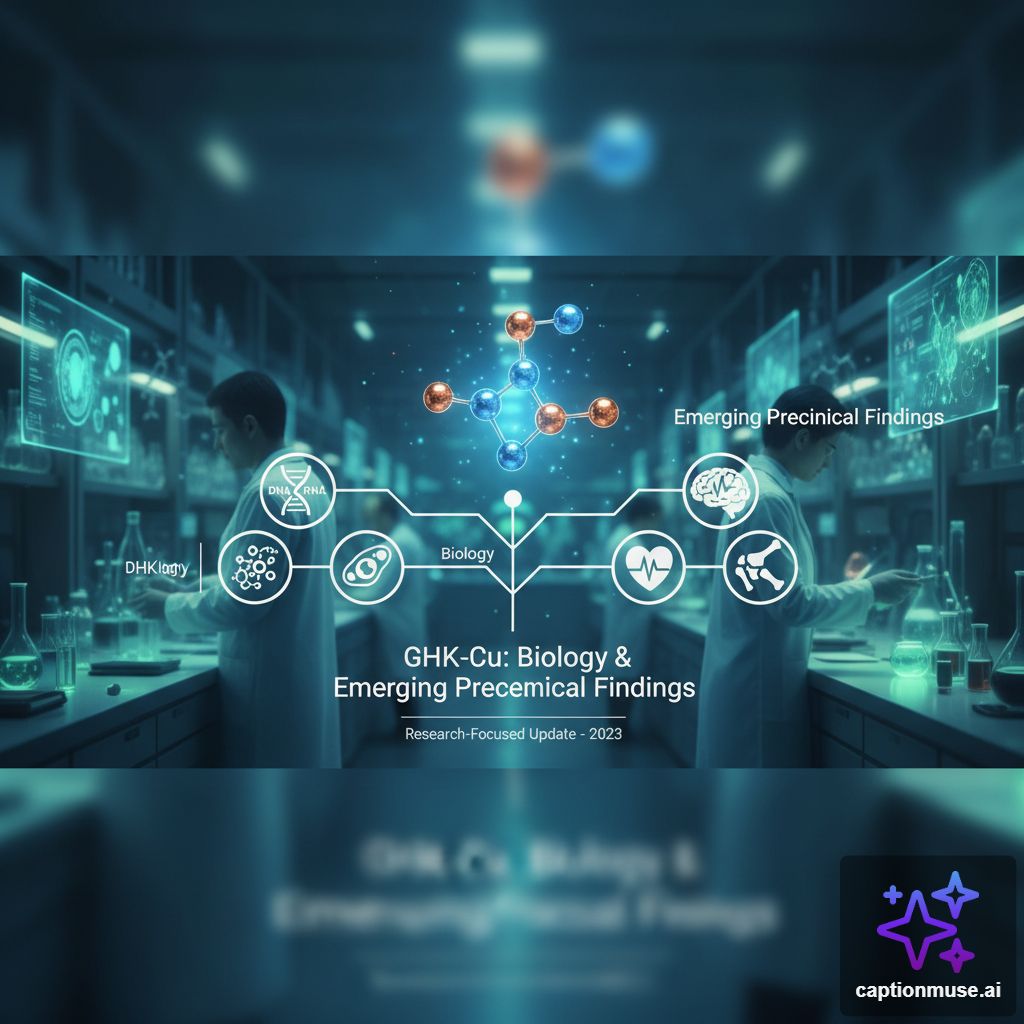
GHK‑Cu (glycyl‑L‑histidyl‑L‑lysine copper complex) has resurfaced in basic and translational literature as a short, copper‑binding peptide with pleiotropic effects on extracellular matrix biology, inflammation, and tissue repair. This brief summarizes what’s new, why it matters for lab research, and practical steps researchers can take next. For research use only. What GHK‑Cu is and why it matters now GHK is a naturally occurring tripeptide that binds Cu2+ to form GHK‑Cu. Historically observed in human plasma and wound fluid, interest in GHK‑Cu has expanded because recent preclinical work revisits its multi‑modal activity: modulation of gene expression programs linked to extracellular matrix remodeling, anti‑inflammatory signaling, and cellular stress responses. The convergence of improved omics, high‑resolution imaging, and more robust in vitro/in vivo models has clarified pathways through which GHK‑Cu may exert regenerative effects, making it a relevant reagent for labs studying repair, fibrosis, and aging biology. Mechanisms of action: copper delivery plus gene regulation GHK‑Cu functions both as a copper carrier and as a biological signaling molecule. Its copper coordination is central to redox chemistry and to interactions with copper‑dependent enzymes. Beyond metal transport, transcriptomic profiling in multiple model systems indicates that GHK‑Cu alters expression of genes involved in collagen synthesis, extracellular matrix (ECM) remodeling, protease regulation, and inflammatory mediators. Key mechanistic themes emerging from recent studies include: Regulation of ECM balance — changes in collagen and matrix metalloproteinase (MMP)/tissue inhibitor (TIMP) expression consistent with enhanced repair and reduced pathological remodeling. Modulation of inflammatory pathways — reductions in pro‑inflammatory cytokine signatures in some models, and altered NF‑κB–linked gene sets. Stress and antioxidant responses — influence on oxidative stress networks through copper‑dependent enzymes and indirect regulation of antioxidant genes. Preclinical evidence: where effects have been observed Preclinical literature across cell culture and animal models documents several reproducible phenotypes that make GHK‑Cu an attractive tool peptide for regenerative biology research. Examples include accelerated wound closure and improved histologic repair in skin models, modulation of fibrotic markers in organ fibrosis models, and effects on hair follicle biology in rodent studies. Neuroprotective and anti‑inflammatory signals have been reported in select neural injury paradigms. While results are promising, they are context dependent: cell type, peptide formulation (GHK vs. GHK‑Cu), copper availability, and model species influence outcomes. Reproducible assays reported in the literature include collagen deposition assays, scratch wound closure, qPCR panels for ECM and inflammatory genes, and histological fibrosis scoring. Practical considerations for researchers If you plan to include GHK‑Cu in an experimental workflow, consider reagent form, controls, and readouts carefully. Below are practical points drawn from recent methodological discussions. Reagent form: use characterized GHK‑Cu (pre‑complexed) when copper coordination is central to your hypothesis; alternatively compare GHK alone + defined Cu2+ supplementation. Stability and storage: peptides with metal cofactors can be sensitive to oxidation or precipitation—store aliquots at recommended temperatures and minimize freeze/thaw cycles. Controls: include vehicle, GHK (without copper), and copper salts alone where appropriate to dissect copper‑dependent versus peptide‑specific effects. Assays and biomarkers: combine functional assays (migration, proliferation, collagen deposition) with transcriptional readouts (targeted qPCR or RNA‑seq) and protease activity assays for a robust profile. Concentration ranges and matrix effects: run pilot titrations and test in the presence of serum or extracellular matrix components that may chelate copper. For labs sourcing well‑characterized material, we offer research‑grade GHK‑Cu suitable for in vitro and animal studies.
Skin & Beauty
GHK-Cu
Copper peptide complex for skin regeneration and wound healing research.
View product →
Open questions and next experimental directions Despite renewed interest, several gaps remain that can guide publishable research projects. High‑priority directions include: Mechanistic dissection using omics: integrate RNA‑seq, proteomics, and metallomics to map direct vs. indirect pathways influenced by GHK‑Cu. Cell‑type specificity: resolve how fibroblasts, keratinocytes, endothelial cells, macrophage subtypes, and neural cells respond differentially. Temporal dynamics: determine how short‑term exposure vs. chronic presence of GHK‑Cu changes repair vs. remodeling outcomes. Delivery strategies: evaluate encapsulation or biomaterial‑based delivery to preserve peptide/copper bioavailability in tissue contexts. Combination approaches: test GHK‑Cu with growth factors, ECM modulators, or anti‑fibrotic agents to assess synergy or antagonism. Carefully designed negative and orthogonal controls, and attention to copper homeostasis in your models, will improve interpretability and reproducibility. GHK‑Cu remains a versatile, mechanistically intriguing peptide for labs focused on repair, ECM biology, and inflammation. Well‑controlled preclinical work integrating modern omics and rigorous formulation controls will be critical to define where GHK‑Cu can most reliably inform biology and translational strategies. For research use only.