Injectable Peptides: Separating early science from social-media hype

Injectable peptides are a hot topic on social channels and in wellness clinics, but the underlying science varies widely. Some peptides are well characterized in clinical settings; many others remain at the animal-study or small-trial stage. For researchers and lab buyers, the distinction matters: mechanism and manufacturing quality determine whether a peptide is a useful reagent—or a liability.
What “peptides” means in practice
At the bench, peptides are short chains of amino acids used to probe receptors, signalling pathways, and tissue responses. Clinically familiar examples—insulin and pharmaceutical GLP‑1 agonists—have large, regulated data sets and defined manufacturing standards. By contrast, a growing catalogue of novel peptides is aimed at recovery, appearance, or metabolic modulation but lacks comparable data.
That gap between established drugs and experimental compounds is why researchers separate FDA‑approved agents (which have standardized production and safety data) from investigational, off‑label, or grey‑market peptides. The latter can be useful in exploratory experiments, provided you treat them as research reagents and verify their provenance.
What the evidence actually looks like
Many newer peptides demonstrate promising biology in rodents and cell culture: reduced markers of inflammation, changes in matrix remodelling, or altered metabolic signalling. Animal work is necessary and often informative. It is not, however, sufficient to infer human effects.
Human data remain sparse for most of these compounds. A representative example is a single small clinical study—about a dozen participants—showing possible benefit for a musculoskeletal complaint; sample size and follow‑up limited the conclusions. Across the field, the picture is a patchwork: robust datasets for some peptides, pilot studies or case reports for a few, and only preclinical evidence for many others.
Safety, regulation, and grey‑market risks
Regulatory approval brings oversight of sourcing, purity, potency, and distribution. Products that have not been reviewed by regulatory agencies do not carry the same guarantees. For research teams that purchase peptides, the primary hazards are contamination, incorrect sequence or modification, substandard purity, and improper storage during shipping.
Reported adverse effects from well‑studied injectable agents help illustrate why oversight matters: for example, some GLP‑1 receptor agonists are associated with gastrointestinal effects and require monitoring in clinical practice. These observations underscore why any unregulated peptide intended for experimental work should come with independent testing.
How lab buyers should evaluate a peptide supplier
Treat each peptide purchase like any other critical reagent. Require documentation, and apply routine QC steps before using a compound in an experiment.
- Certificates of Analysis (CoA): Insist on HPLC/UPLC and mass spectrometry data that match the labelled mass and report >95% purity when that level is needed for your assays.
- Endotoxin and sterility: For anything that will contact cells or tissues, check endotoxin units (EU) and sterility testing results.
- Traceability: Batch numbers, manufacturing dates, and storage recommendations matter. Cold chain documentation reduces the risk of degraded product.
- Third‑party testing: Independent lab verification is the strongest safeguard when a peptide lacks an established manufacturer profile.
- Research‑use labelling: Confirm the supplier explicitly marks the peptide “For research use only — not for human or veterinary use.”
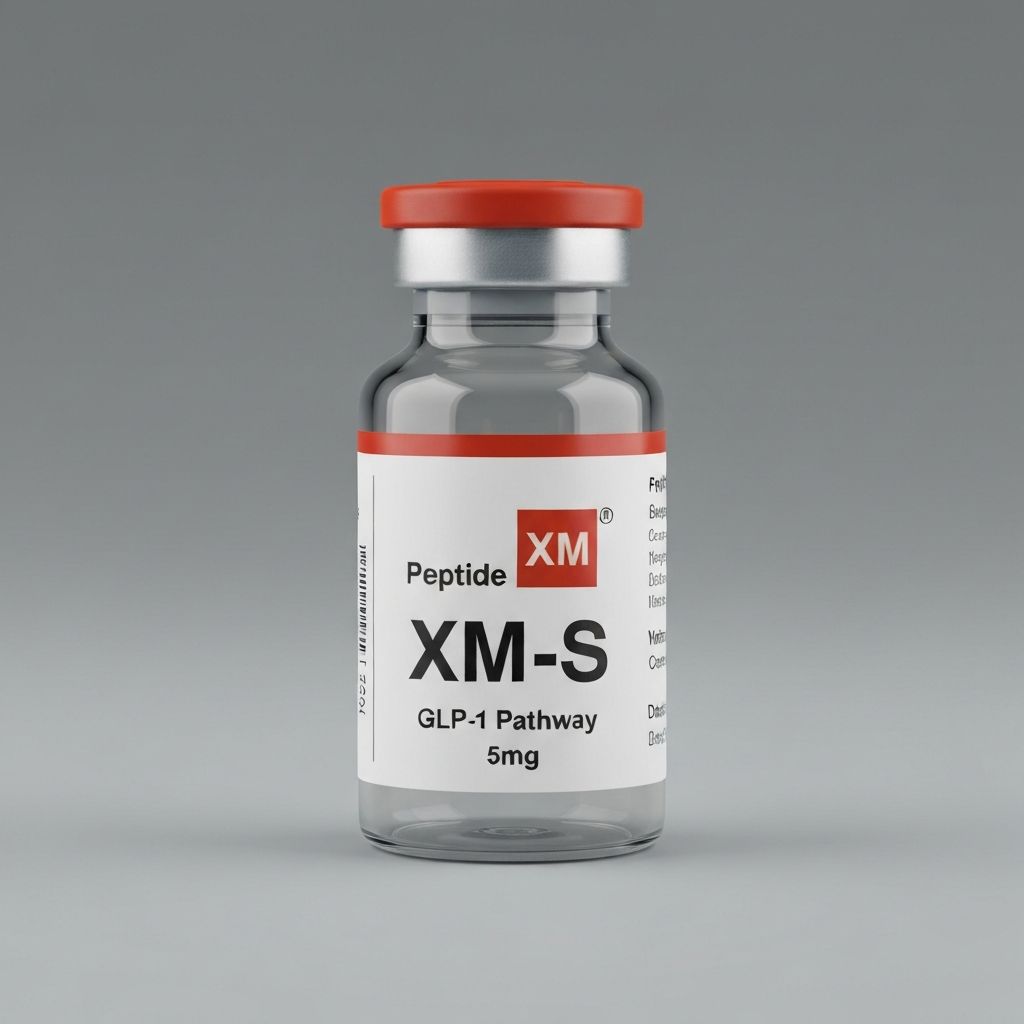
If you need well‑characterized GLP‑1 pathway reagents for receptor pharmacology or metabolic assays, consider products that are accompanied by full analytical data and method-of-manufacture transparency.
Handling, storage, and experimental planning
Peptides degrade differently depending on sequence and formulation. Lyophilized material usually has longer shelf life than solution, but moisture and repeated freeze/thaw cycles both reduce activity. Plan single‑use aliquots, follow manufacturer storage guidance, and confirm concentration with analytical methods when quantitative accuracy matters.
When designing experiments, document your acceptance criteria for a batch (purity, identity, endotoxin), log chain‑of‑custody, and store raw QC files alongside biological data. Those files are essential if results depend on a particular reagent batch or if you later need to reproduce an effect.
Final note for researchers
Interest in injectable peptides outstrips the data for many molecules currently promoted outside regulated channels. That gap is not an argument to avoid study, but it does change how you should buy, validate, and handle these reagents. Prioritize suppliers who provide complete analytical documentation, use independent testing when possible, and treat all non‑approved peptides as research‑only materials.
Peptide reagents are powerful tools when their sequence, purity, and provenance are known. Keep the chain of evidence tight; your experiments depend on it.