NMN for Anti-Aging Research: Mechanisms, Dosage Ranges, Handling & Sourcing Guide
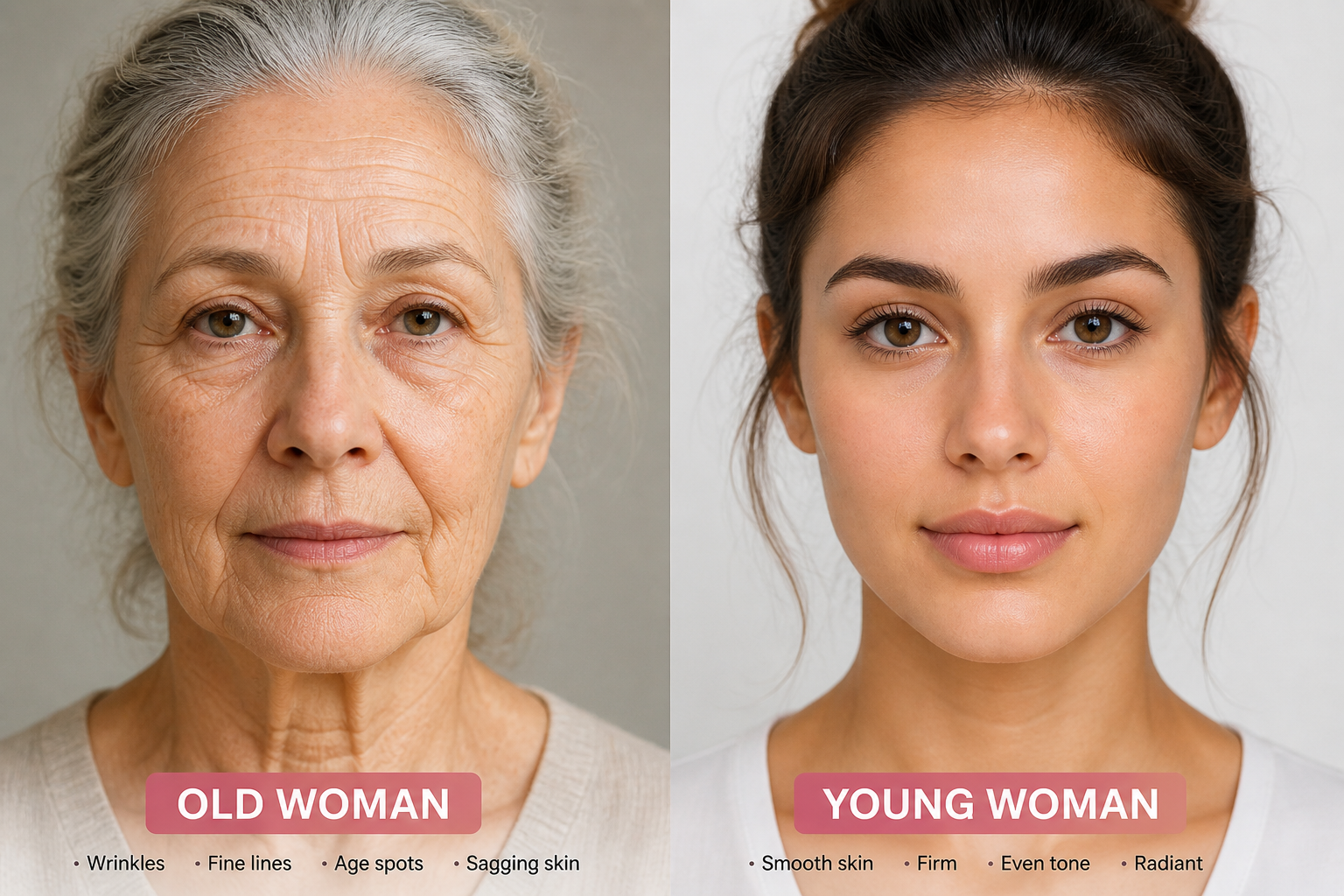
Nicotinamide mononucleotide (NMN) has become a common reagent in labs studying cellular metabolism and aging-related pathways. This guide explains NMN for researchers with intermediate biology knowledge. Expect clear definitions, worked examples of dose conversions, stepwise handling notes, and practical sourcing tips. All content is for research use only.
What is NMN? Clear definitions
NMN stands for nicotinamide mononucleotide. It is a small molecule precursor to NAD+. NAD+ — nicotinamide adenine dinucleotide — is a coenzyme. A coenzyme is a small molecule that assists enzymes during chemical reactions. NAD+ participates in redox reactions (transfer of electrons) and also serves as a substrate for enzymes such as sirtuins and PARPs.
Callouts:
Precursor: a compound that the cell converts into another compound (here, NMN → NAD+). Sirtuins: a family of NAD+-dependent enzymes involved in deacetylation, which can affect gene expression and metabolism. Coenzyme: a small molecule required by some enzymes to function.
How NMN fits into NAD+ metabolism
NAD+ is synthesised in cells through multiple pathways. The two routes most relevant to NMN are the salvage pathway and the Preiss-Handler pathway. The salvage pathway recycles nicotinamide (NAM) back into NAD+. NMN sits inside that salvage pathway: nicotinamide → nicotinamide riboside (NR) or NMN → NAD+.
Mechanistic points to keep in mind:
NMN is phosphorylated nicotinamide riboside (NR). The phosphate group differentiates NMN chemically and may affect transport and cellular uptake. Cells can convert NMN to NAD+ via the enzyme NMN adenylyltransferase (NMNAT). Transport across membranes is an active area of research. Some transporters have been reported in mice; the human transport picture is less settled.
Reported dose ranges in research — animals and humans (research reports only)
Keep two facts up front: animal studies typically use mg/kg (milligrams per kilogram) and human trials report fixed daily doses in milligrams. Converting between animal mg/kg and a human equivalent requires a body-surface-area adjustment. Use that conversion for planning experiments, not for recommending human use.
Representative published ranges:
Mouse studies: common dosing spans roughly 100–500 mg/kg/day when given orally or by injection. Rat studies: doses are often lower per kg than mice, for example 50–300 mg/kg/day. Human research reports: oral NMN doses in clinical studies have been reported in the approximate range of ~100–1,200 mg/day, with many small trials using 250–500 mg/day. These are published trial doses; they do not imply safety or efficacy and are cited purely as examples of reported exposures.
Worked example: converting a mouse dose to a human equivalent dose (HED)
Take a mouse dose: 500 mg/kg/day (a high but commonly reported experimental dose). Use Km factors (body surface area correction). Standard Km: mouse = 3, human adult = 37. HED (mg/kg) = animal dose × (Km_animal / Km_human) = 500 × (3 / 37) ≈ 500 × 0.081 = 40.5 mg/kg. For a 70 kg human-equivalent body mass: 40.5 mg/kg × 70 kg ≈ 2,835 mg/day.
Interpretation: a 500 mg/kg mouse dose scales to an HED near 2.8 g/day. Many human studies use much lower absolute doses. That difference emphasises why direct extrapolation is risky and why the literature can show very different exposures across species.
Routes of administration used in research
Researchers commonly use several administration routes. Each has pros and cons for absorption, control of exposure, and practical handling.
Oral (gavage or ad libitum in drinking water): easiest for chronic studies. Absorption occurs in the gut. Oral dosing can be affected by food, gut microbiota, and first-pass metabolism in the liver. Intraperitoneal (IP): common in rodents for precise, repeatable dosing. IP avoids first-pass intestinal metabolism but is an invasive technique that requires animal protocol approval. Subcutaneous (SC) or intramuscular (IM): slower absorption than IP. Useful for depot dosing or when steady absorption is desired. Intravenous (IV): gives immediate plasma exposure. Technically demanding in small animals and not commonly used for chronic studies.
Note: each route can alter pharmacokinetics (how quickly NMN appears and disappears from blood and tissues). Design your sampling schedule (time points) to match the expected exposure profile for the chosen route.
Pharmacokinetics and what to measure
Pharmacokinetics refers to the time course of a compound in the body—absorption, distribution, metabolism, and excretion (ADME). For NMN research, common PK endpoints include plasma NMN, plasma NAD+, and tissue NAD+ levels.
Key points:
Plasma NMN often shows a rapid rise after dosing and a relatively short plasma half-life. NAD+ levels in tissues may rise more slowly and can persist longer than plasma NMN, depending on tissue uptake and metabolism. Different assays measure different pools: total NAD+ (NAD+ plus NADH), or specifically NAD+. Be explicit in methods which you measured.
Sampling schedule example
A sensible PK sampling plan for a single oral dose in a rodent might look like: pre-dose (baseline), 15 min, 30 min, 1 h, 2 h, 4 h, and 8 h. For chronic studies, sample pre-dose and at steady state (for example, after multiple daily doses once the plateau has been reached).
Practical handling: storage, reconstitution, stability
What follows are lab-first instructions for handling NMN powder and aqueous stock solutions. All steps assume a sterile, traceable chain-of-custody for experimental reagents.
Powder storage
Store desiccated NMN powder at −20 °C for medium-term or −80 °C for long-term archiving. Lower temperatures slow degradation. Protect from repeated freeze–thaw cycles. Aliquot into single-use vials if you expect frequent access. Use amber glass vials or opaque containers to reduce light exposure when a lab assay is light-sensitive.
Preparing aqueous stocks
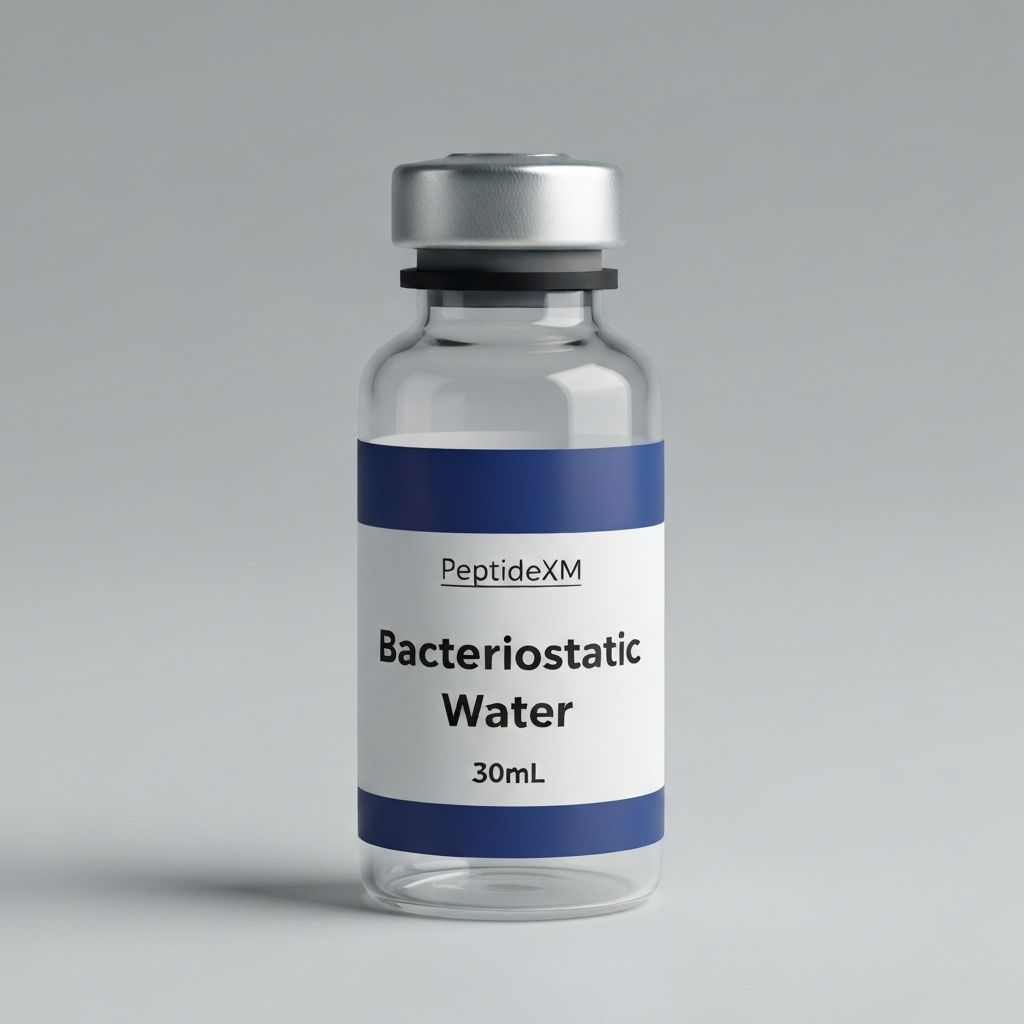
Work in a clean area or biosafety cabinet if sterility is required. Choose solvent: sterile water or buffer with the appropriate pH. Bacteriostatic water (contains a preservative) is convenient for multi-use vials intended for non-sterile environmental studies, but remember the preservative (usually benzyl alcohol) can interfere with sensitive assays or live-cell work. Verify compatibility with your downstream assays. Weigh powder on a calibrated analytical balance. Record lot number and mass in your lab notebook. Add solvent, vortex, and gently invert to dissolve. Some formulations dissolve better with gentle warming; avoid high heat. Filter-sterilise through a 0.22 µm filter if sterility is mandatory for the application. Aliquot into single-use amber vials and freeze at −20 °C or −80 °C depending on planned storage time.
Note on bacteriostatic water: it is a useful lab convenience for multi-dose work because it contains a preservative that limits microbial growth. If you plan to prepare sterile stock solutions that will be stored and reused, bacteriostatic water can reduce waste. Again, confirm the preservative won't skew your experiment.
Quality control: what to check before use
Quality matters. Use these checks to reduce variability and to document reagent integrity.
Certificate of analysis (CoA): request a CoA from the supplier. The CoA should list purity by HPLC or GC, mass spectrometry confirmation, lot number, manufacture and expiry dates. Analytical checks: for critical experiments, run your own HPLC or LC-MS on an aliquot to confirm identity and purity. Compare retention times and mass fragments to a reference standard when possible. Physical appearance: inspect powder for clumping, discoloration, or signs of moisture. A crystalline, free-flowing powder is expected for good-quality NMN. Storage history: log temperature and time in shipping. Extended exposure to high temperatures can increase degradation.
Where to buy NMN and basic supplies
For controlled, reproducible research, source NMN from vendors that provide clear documentation. Look for lot-specific CoAs and an accessible technical contact. Compare certificates rather than price alone.
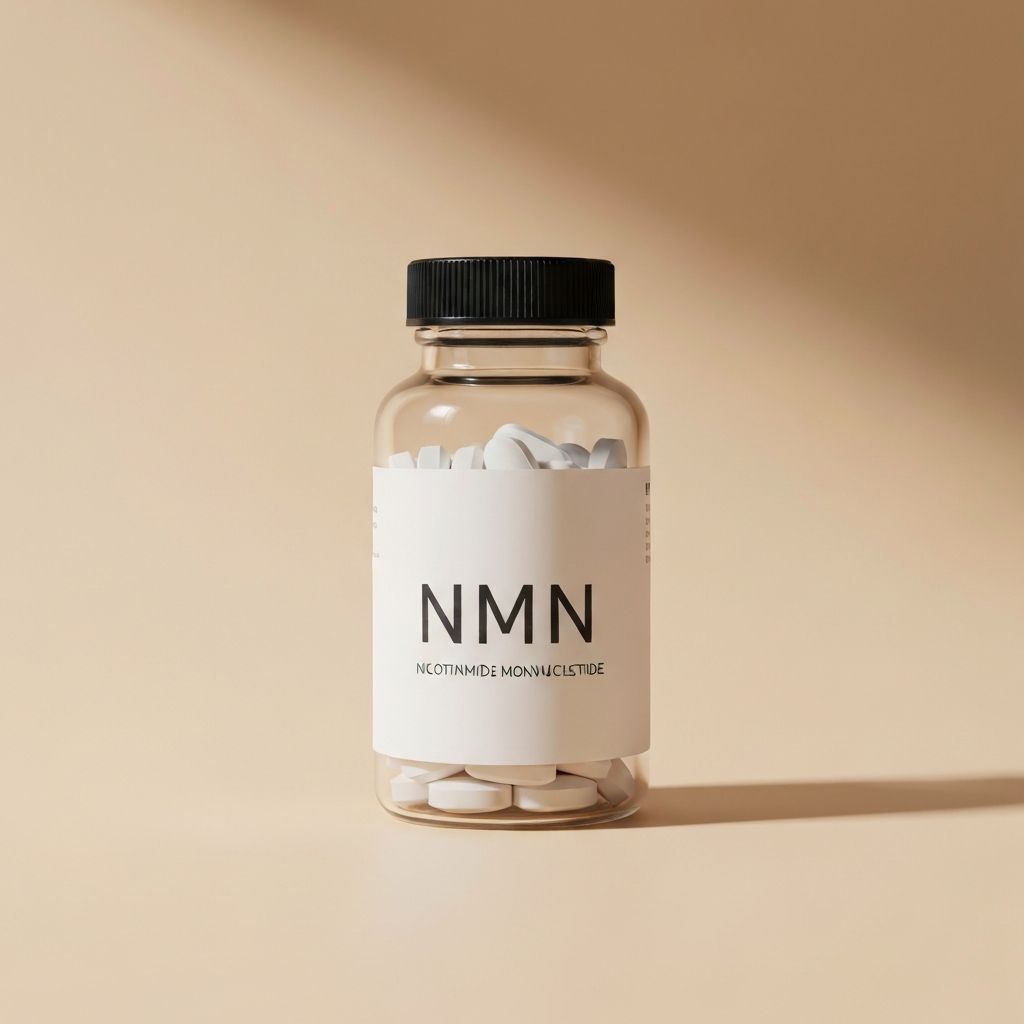
We offer a research-grade NMN product with accompanying CoA and storage guidance. For convenience when preparing aqueous stocks, bacteriostatic water is available from our catalog.
Recommended checklist when evaluating a supplier:
Is a lot-specific CoA provided? If not, ask for one before purchase. Does the supplier provide HPLC and MS traces or raw data on request? Are shipping conditions described? Cold-chain shipping is helpful but not always required for dry powder if desiccation is maintained. Is traceability preserved (lot number on vial matching CoA)?
Common experimental workflows and suggested supplies
Below are practical workflows for typical NMN experiments. These are procedural outlines, not protocols. Adapt to your institutional animal care and use committee (IACUC) approvals and biosafety rules.
Workflow A — acute PK in mice (single-dose)
Choose dose and route. Record rationale in the protocol. Prepare a sterile stock at a known concentration. Filter-sterilise if necessary. Randomise animals to groups and record body weights to calculate mg/kg doses. Dose and collect blood at planned time points (pre-dose, 15 min, 30 min, 1 h, 2 h, 4 h, 8 h). Process plasma quickly: cold centrifugation, addition of extraction solvent if required, and freeze at −80 °C until analysis. Run NAD+ and NMN quantification by LC-MS or a validated enzymatic assay.
Workflow B — chronic dosing and tissue NAD+ measurement
Decide chronic exposure: daily oral or ad libitum in drinking water. Monitor intake if dosing via water. At endpoint, harvest tissues rapidly. Snap-freeze tissues in liquid nitrogen to preserve NAD+ pools. Homogenise tissues in cold extraction buffer and clarify by centrifugation before analysis.
Basic consumables you may need: calibrated analytical balance, amber vials, microcentrifuge tubes, chilled centrifuge, LC-MS access or NAD+/NADH assay kits, and single-use consumables to avoid cross-contamination. Insulin syringes and small-gauge needles are commonly used for subcutaneous or intraperitoneal injections in small animals; those are standard lab supplies available through many vendors.
Assay considerations: measuring NMN and NAD+
Choose analytical methods based on sensitivity, throughput, and available equipment.
LC-MS/MS: gold-standard for specificity and sensitivity. It distinguishes NMN from closely related metabolites and quantifies low-concentration samples. Requires stable isotope internal standards for best accuracy. Enzymatic cycling assays: higher throughput and less instrument-intensive, but they often measure total NAD (NAD+ plus NADH) or require enzymatic steps that can be affected by contaminants. HPLC with UV detection: workable for higher-abundance samples and when MS is unavailable, but less specific than LC-MS.
Sample handling steps that reduce analytical noise:
Work cold. Use chilled reagents and keep extracts on ice. Include internal standards or spike-recovery controls when possible. Validate your extraction method for each tissue type; recovery can vary widely between plasma, liver, muscle, and brain.
Risks, legal and ethical considerations
This content is for laboratory research only. Do not use these materials for self-administration or unapproved clinical use.
Regulatory and safety notes:
Follow institutional biosafety and animal care guidelines. All animal work should have IACUC approval or the equivalent. For human research, use only compounds manufactured and tested to the appropriate regulatory standards and under an approved clinical protocol; do not use research-grade reagents for human studies. Document chain of custody, storage temperatures, and lot numbers to preserve data integrity and reproducibility.
When data look odd: troubleshooting checklist
If you see unexpected NAD+ or NMN values, run this quick checklist:
Confirm sample identity and chain of custody. Mix-ups happen. Check storage logs. Were samples thawed and refrozen? Run blanks and matrix-matched standards to detect assay interference. Assess recovery using spiked samples. Compare to historical controls or published ranges for your tissue and species.
Minor method changes — a different homogenisation buffer, a new lot of extraction solvent — can produce sizable shifts. Record everything.
Final notes for researchers
NMN is a useful reagent for probing NAD+-linked biology. It is not a magic bullet. Experimental design, quality control, and careful interpretation matter more than picking the "right" dose from a paper. When comparing across studies, convert and report doses consistently (state mg/kg, animal or human, and route). Preserve documentation: CoAs, storage logs, and raw assay data all strengthen reproducibility.
If you need a starting point for sourcing reagent-grade NMN or sterile solvent for stock preparation, see the product listings above. For method-specific advice—such as LC-MS transitions or tissue extraction recipes—consult the primary literature or a core facility specialist.
All content here is intended for research use only and not for human administration.