PCAC hearing for BPC-157 and TB-500: what researchers should know

When Dr. Reyes in a university biomechanics lab opened her procurement log she saw the same problem she'd seen all year: two peptides used extensively in animal studies were available only from small research-chemical vendors with uneven documentation. She marked her calendar. July 23, 2026 is when the FDA's Pharmacy Compounding Advisory Committee (PCAC) will publicly review BPC-157 and TB-500 — a review that could change how institutions source these molecules for nonclinical work.
Why this single hearing matters to labs PCAC doesn't set laws. It advises the FDA about whether certain substances should be allowed for compounding. That matters because compounding pharmacies operate under a different regulatory framework than manufacturers of investigational materials. If PCAC finds the evidence supports compounding, supply pathways for research-grade material can shift from small suppliers toward licensed pharmacies that must meet state and federal compounding standards. For researchers who manage budgets, documentation, and institutional compliance, that switch would affect more than price. It could change certificate-of-analysis practices, chain-of-custody expectations, and the way procurement offices vet vendors.
Why BPC-157 and TB-500 are on the front burner Those two peptides are among the most-discussed in preclinical literature and among protocol designers. In community forums and lab notes they often appear together — a pairing colloquially called the "Wolverine Stack" — because many groups study them in parallel in rodent and tissue models. That combination, and the volume of requests for each compound, likely contributed to both being scheduled for the same PCAC meeting. Because they're highly requested, a favorable PCAC opinion has the potential to create a predictable channel for both compounds at once. Researchers who track reagent availability should note that the hearing focuses on compounding suitability, not on endorsing any particular experimental use.
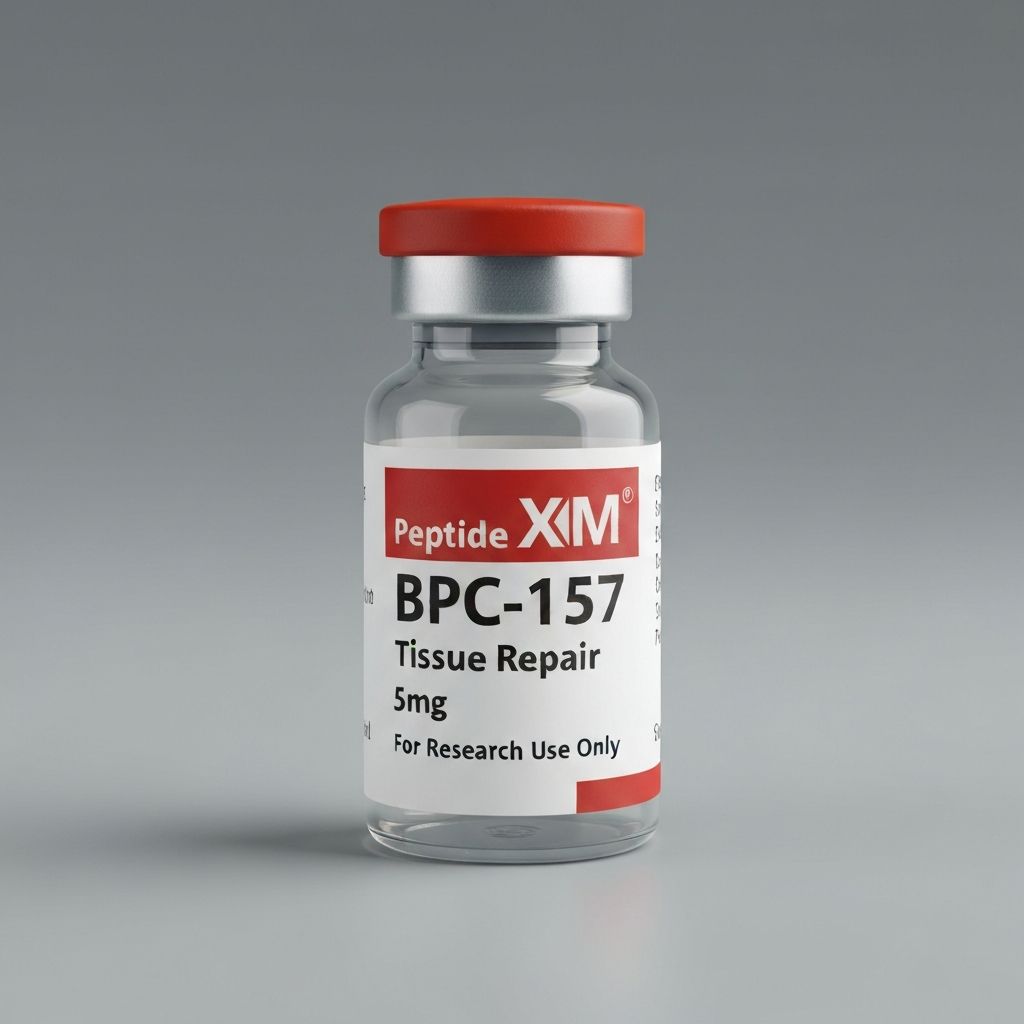
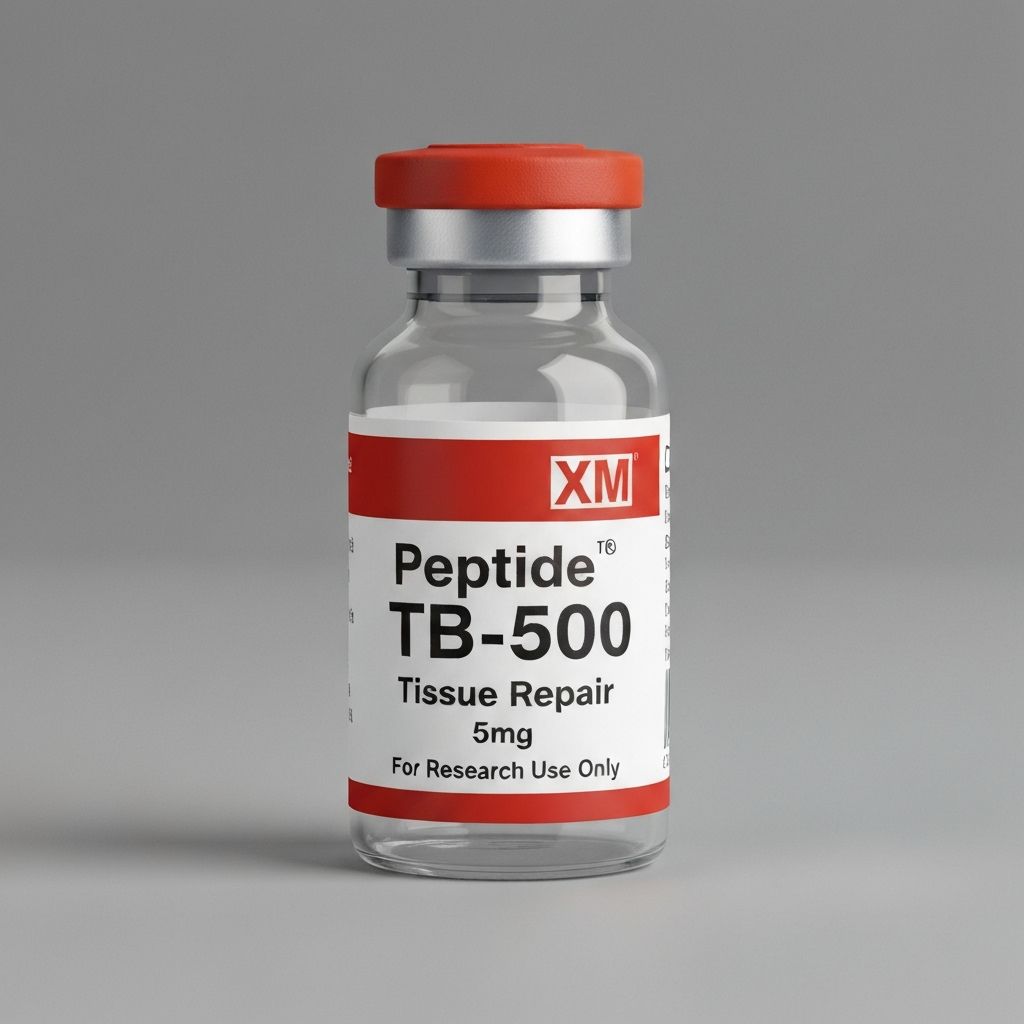
What PCAC reviewers actually evaluate PCAC hearings are evidence-driven. Committee members and external commenters present data and arguments about whether a substance is appropriate for pharmacy compounding. The reviewers scrutinize the following categories of information.
Quality of the scientific literature: peer-reviewed studies, preclinical models, and relevant pharmacology papers. Safety signals in published and unpublished reports: documented adverse events, known toxicology, and gaps in surveillance. Feasibility of consistent preparation: availability of validated analytical methods, stability data, and clear handling parameters that a pharmacy could follow. Potential for contamination or mislabeling: manufacturing controls, source material traceability, and existing pharmacopeial standards, if any. Public commentary and stakeholder input: submissions from academics, industry, professional societies, and state boards of pharmacy.
Committee deliberations are public. That means documentation submitted to the docket — raw data files, study reports, analytical methods — becomes part of the record and can influence the FDA's final recommendation.
How a favorable opinion could affect research supply chains If PCAC concludes that compounding is appropriate, the practical outcome is that licensed compounding pharmacies would be able to prepare these peptides under their standard operating procedures. For procurement offices and institutional biosafety committees this has a few effects.
Vendor qualification: institutions may prefer purchasing from pharmacies with state licenses and documented QA rather than from unverified research-chemical sellers. Traceability and documentation: compounding pharmacies typically provide batch records and certificates of analysis that fit institutional audit needs more readily. Lead times and cost structure: compounding involves pharmacy workflows and regulatory oversight; that can change price and delivery cadence compared with direct-from-manufacturer orders. Liability and compliance: buying from a licensed pharmacy can simplify risk assessments for animal-use protocols, even though compounding approval does not change the requirement to follow institutional animal care and use policies.
None of these outcomes eliminates the need for independent quality checks. Analytical confirmation — identity, purity, and potency testing — remains best practice for any peptide used in nonclinical studies.
Concrete steps for researchers and procurement teams Whether you manage a core facility, run an animal lab, or direct purchasing, there are practical preparations that make the most sense while the PCAC process runs its course.
Monitor the docket and meeting materials. The PCAC agenda and submitted evidence are public; tracking updates lets you see what data are being considered. Gather your lab’s quality requirements. Define the analytical specifications your protocols need so you can compare pharmacy-provided documentation against institutional standards. Plan for incoming vendors. If you expect compounding pharmacies to enter the market after a favorable opinion, prepare vendor-qualification checklists: license verification, COA format, stability statements, and packaging details. Establish internal testing workflows. Have a plan for spot-checking incoming batches via the core MS or HPLC lab to confirm identity and purity before use in experiments. Consider submitting evidence. Institutions and individual researchers can provide public comment or submit data to the docket prior to the hearing — particularly if you have unpublished stability data or analytical methods that address PCAC’s review criteria.
These steps keep labs ready to adapt without assuming any particular regulatory outcome.
Timeline: what to expect after July 23, 2026 The hearing itself is only one milestone. PCAC meets to hear presentations and public testimony; after that, the FDA typically reviews the committee’s input before issuing a formal decision. Historically, that decision window has ranged from a few months to half a year, depending on workload and the complexity of the issues raised. If you want to follow the procedural flow, watch three pieces of the record: the hearing transcript, the electronic docket (where submitted materials are posted), and any FDA guidance or memorandum that follows the meeting. Those documents will clarify the agency’s reasoning and any conditions attached to compounding recommendations.
Practical caveats and a realistic view A favorable PCAC opinion is not a stamp of approval for experimental use. The committee’s remit is narrowly focused on whether a substance is appropriate for compounding under pharmacy practice; it does not validate specific research protocols, nor does it alter institutional review requirements. Labs still need to follow IACUC/IBC procedures and maintain analytical rigor. Also, a regulatory pathway for compounding doesn't automatically standardize supply. Different pharmacies may adopt different formulations, excipients, or packaging. That variability is why independent verification — even for pharmacy-sourced material — remains a cornerstone of good laboratory practice.
Back in Dr. Reyes’s lab the calendar reminder is still pinned to the notice board. The hearing on July 23, 2026 won’t instantly change ordering practices, but it could open a new route for institutional procurement. For teams that depend on predictable documentation and traceability, that’s worth watching closely.