Researchers new to peptides often ask the same practical questions: what does a peptide actually do at the cellular level, which assays show activity, and how do I handle the compound without introducing artifacts? This guide profiles five widely used reagents—GHK‑Cu, NAD+, BPC‑157, Kisspeptin‑10, and Sermorelin—focused strictly on laboratory use and experimental design. All items discussed are for research use only; this article does not advise human administration or clinical treatment.Why these five? Picking reagents with clear readoutsEach entry here has two things in common. First, a clear molecular target or biochemical pathway. Second, a body of reproducible assays that let you measure activity in cells or tissues. If you need a peptide or cofactor that gives interpretable readouts—phosphorylation of a signaling protein, changes in gene expression, or a histological change after injury—these five are a practical starting set.Quick definitions for readers who want a refresher: a peptide is a short chain of amino acids. A receptor is a cell-surface or intracellular protein that binds a ligand and transmits a signal. An assay is any laboratory test that measures a biochemical or cellular response. Keep those definitions handy as we go through each reagent.GHK‑Cu (glycyl‑L‑histidyl‑L‑lysine copper complex)GHK is a tripeptide: three amino acids linked together. When bound to copper (Cu2+), the complex is often referred to as GHK‑Cu. This complex has attracted attention because it interacts with extracellular matrix processes and gene expression networks in cell culture and tissue models.
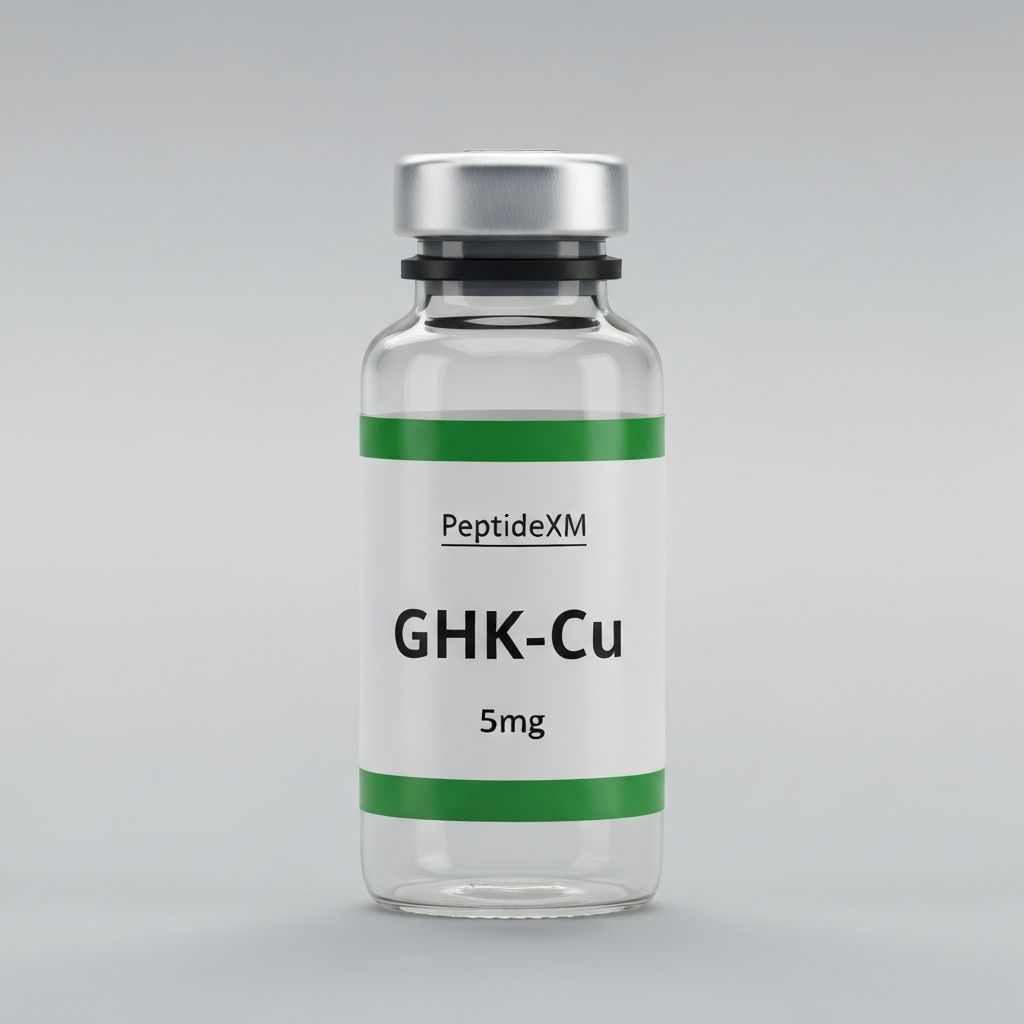
Skin & Beauty
GHK-Cu
Copper peptide complex for skin regeneration and wound healing research.
View product →
Mechanism overview. GHK‑Cu is commonly reported to modulate matrix metalloproteinases (MMPs) and their inhibitors (TIMPs), and to influence collagen gene regulation. In plain terms: it can change how cells remodel the protein scaffold that surrounds them. The exact molecular cascade depends on the cell type and species.Common experimental systems and endpointsPrimary human dermal fibroblasts or keratinocytes. Measure collagen I/III mRNA by qPCR and protein by western blot or ELISA.Scratch (wound‑healing) assays. Monitor cell migration rate with time‑lapse imaging.3D dermal equivalents or explant cultures. Histology and immunostaining for ECM proteins and MMP activity.Transcriptome profiling. RNA‑seq can highlight transcriptional shifts after treatment; changes in ECM‑related gene sets are common readouts.Practical tipsPeptides like GHK‑Cu are often lyophilized. Reconstitute in sterile water or small volume buffer immediately before use, then dilute into cell culture medium. Avoid repeated freeze‑thaw cycles.Include vehicle controls that match the final salt or solvent concentration. Even low amounts of copper or buffer can change cell behavior.Test a range of concentrations in pilot experiments. Report the full range and the solvent used in methods to help reproducibility.Assay recommendations for GHK‑CuFor fibroblast studies, pair a fast readout (scratch assay or live‑cell migration) with a slower endpoint (qPCR for collagens at 24–72 hours). Confirm any observed protein changes with western blot or targeted mass spectrometry. If working with explants, add zymography to profile MMP activity in conditioned media.NAD+ (nicotinamide adenine dinucleotide)NAD+ is a small molecule coenzyme. A coenzyme is a non‑protein chemical that helps enzymatic reactions proceed. NAD+ participates in redox reactions (transferring electrons), and it is a substrate for several enzyme families including sirtuins and poly(ADP‑ribose) polymerases (PARPs). Researchers commonly measure NAD+ in metabolism, aging, and DNA repair studies.Key experimental usesMetabolic flux assays. NAD+/NADH ratios influence cellular redox state; real‑time metabolic readouts may use these ratios indirectly via lactate/pyruvate measurements or directly using targeted metabolomics.Sirtuin activity assays. Sirtuins are NAD+‑dependent deacetylases; changes in NAD+ availability can alter protein acetylation patterns measurable by western blot with acetyl‑lysine antibodies.PARP activation studies. PARP enzymes consume NAD+ during DNA damage responses; you can quantify ADP‑ribosylation as a downstream marker.Assay methods and pitfallsMeasurement methods: enzymatic cycling assays, HPLC, or LC‑MS/MS. LC‑MS/MS gives the most specific results and can distinguish NAD+, NADH, NADP+, and NADPH.Sample handling matters. NAD+ degrades rapidly at room temperature and is sensitive to alkaline pH. Snap‑freeze samples and work on ice when possible.Sources of NAD+: direct NAD+ additions, or precursors like nicotinamide riboside (NR) or nicotinamide mononucleotide (NMN). Each precursor enters metabolic pathways differently; note that cell line or tissue choice changes conversion efficiency.
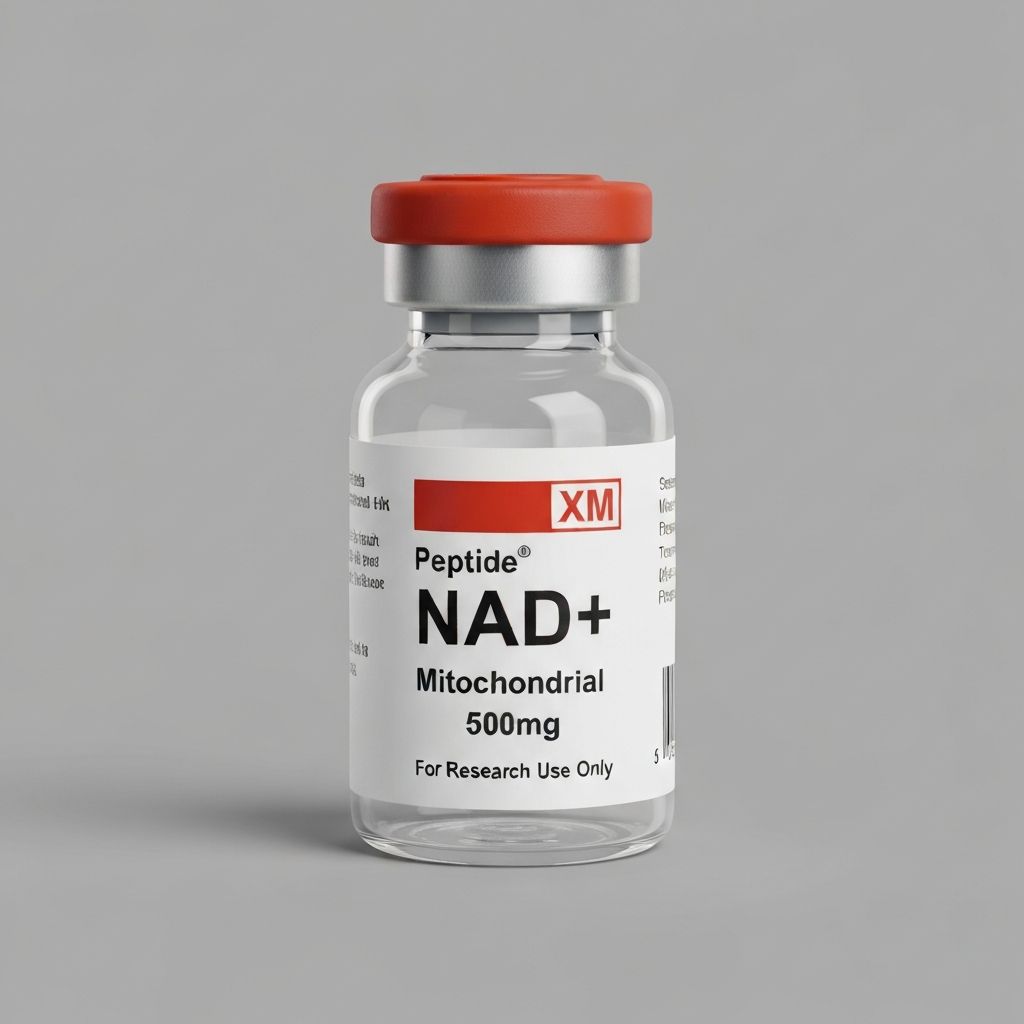
Anti-Aging
NAD+
Nicotinamide adenine dinucleotide for cellular energy research.
View product →
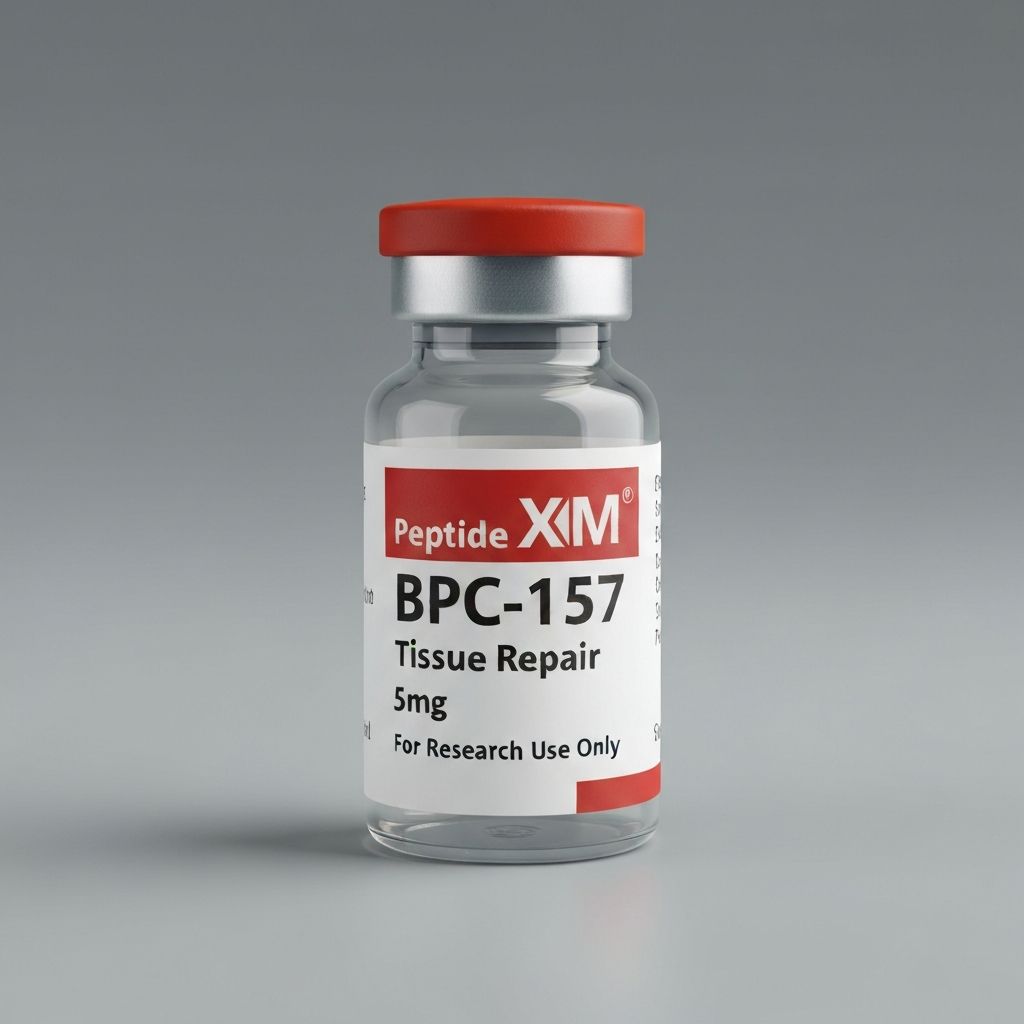
Caveat: NAD+ is not a peptide. It is included here because it is sold as a research reagent in peptide suppliers and because many peptide studies investigate NAD+‑dependent enzymes. Treat it like any small molecule: validate batches and confirm concentrations with analytical chemistry if your downstream readouts are sensitive to NAD+ levels.BPC‑157 (Body Protection Compound‑157)BPC‑157 is a 15‑amino‑acid peptide. It was originally derived from a fragment of a gastric protein. In preclinical literature, it is used in tissue repair, tendon and ligament models, and gastrointestinal injury models. The mechanisms reported are varied; many studies report effects on angiogenesis, cell migration, and inflammatory mediators.
Recovery
BPC-157
Body protection compound for tissue healing and repair research.
View product →
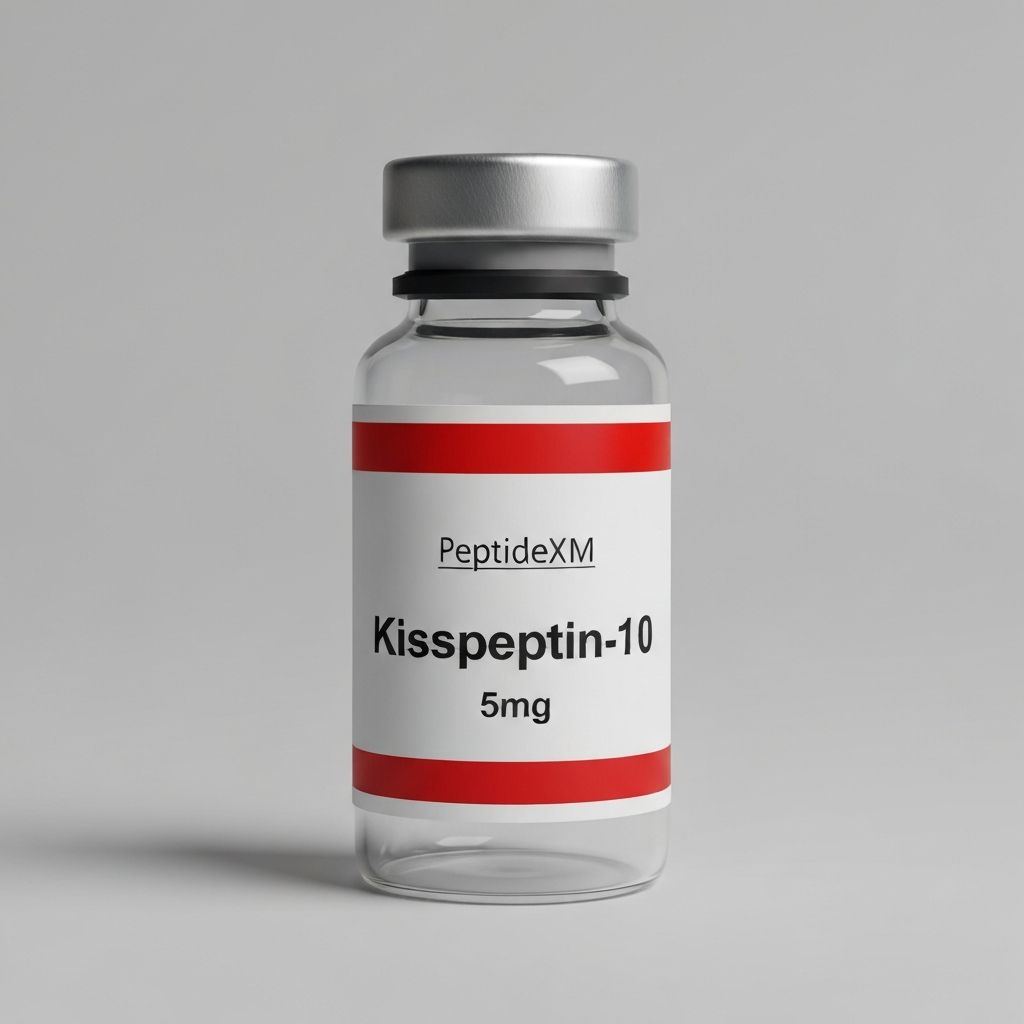
Typical models and endpointsRodent tendon and ligament injury models. Readouts include biomechanical testing, histology, and collagen organization by polarized light microscopy.Gastric ulcer models. Lesion size, mucosal histology, and immunostaining for inflammatory markers are common endpoints.In vitro scratch assays and tube‑formation (angiogenesis) assays using endothelial cells.Design considerationsMany published studies use in vivo rodent injury models. If you plan in vitro work first, run a concentration–response curve for cell proliferation and migration. Some cell lines respond differently; primary cells often differ from immortalized lines.When using histology, standardize sectioning orientation and scoring. Small differences in lesion angle or sampling depth can change measured outcomes.Be explicit about species and strain in methods. Healing processes vary by strain and by age of the animal.Analytical checks. Verify peptide identity and purity by mass spectrometry and HPLC. For in vivo studies, check for endotoxin contamination if the peptide will be introduced systemically or near sterile tissues.Kisspeptin‑10 (a C‑terminal fragment of kisspeptin)Kisspeptin‑10 is a short peptide derived from the KISS1 gene product. It is a high‑affinity ligand for the G‑protein‑coupled receptor KISS1R (also called GPR54). The kisspeptin system is well studied in reproductive biology because it affects gonadotropin‑releasing hormone (GnRH) neurons, but the peptide also appears in other tissues and can influence cell migration and signaling pathways tied to ERK and calcium.Common assays and readoutsCalcium imaging. Kisspeptin‑10 activates Gq/11 pathways in many cell types; a calcium flux assay (using Fura‑2 or Fluo‑4 dyes) is a rapid functional readout.cAMP or IP3 assays. Reporter assays that capture second‑messenger changes help map the downstream pathway in heterologous expression systems.Hormone release assays. In hypothalamic slice cultures or cell models that secrete GnRH, measure peptide or hormone release by ELISA or RIA (research assays only).
Fertility & Hormonal
Kisspeptin-10
GPR54 agonist for reproductive endocrinology research.
View product →
Experimental caveatsReceptor expression matters. If your cell line lacks KISS1R, you will not see canonical responses. Consider transiently or stably transfecting the receptor for mechanistic studies.Desensitization. G‑protein‑coupled receptors can internalize or desensitize with sustained exposure. Use time‑course experiments and include washout steps if you plan repeated stimulations.Species specificity. Human and rodent kisspeptins are similar but not identical; receptor affinity can differ. Check sequence alignment if translating results between species.Sermorelin (a GHRH analog)
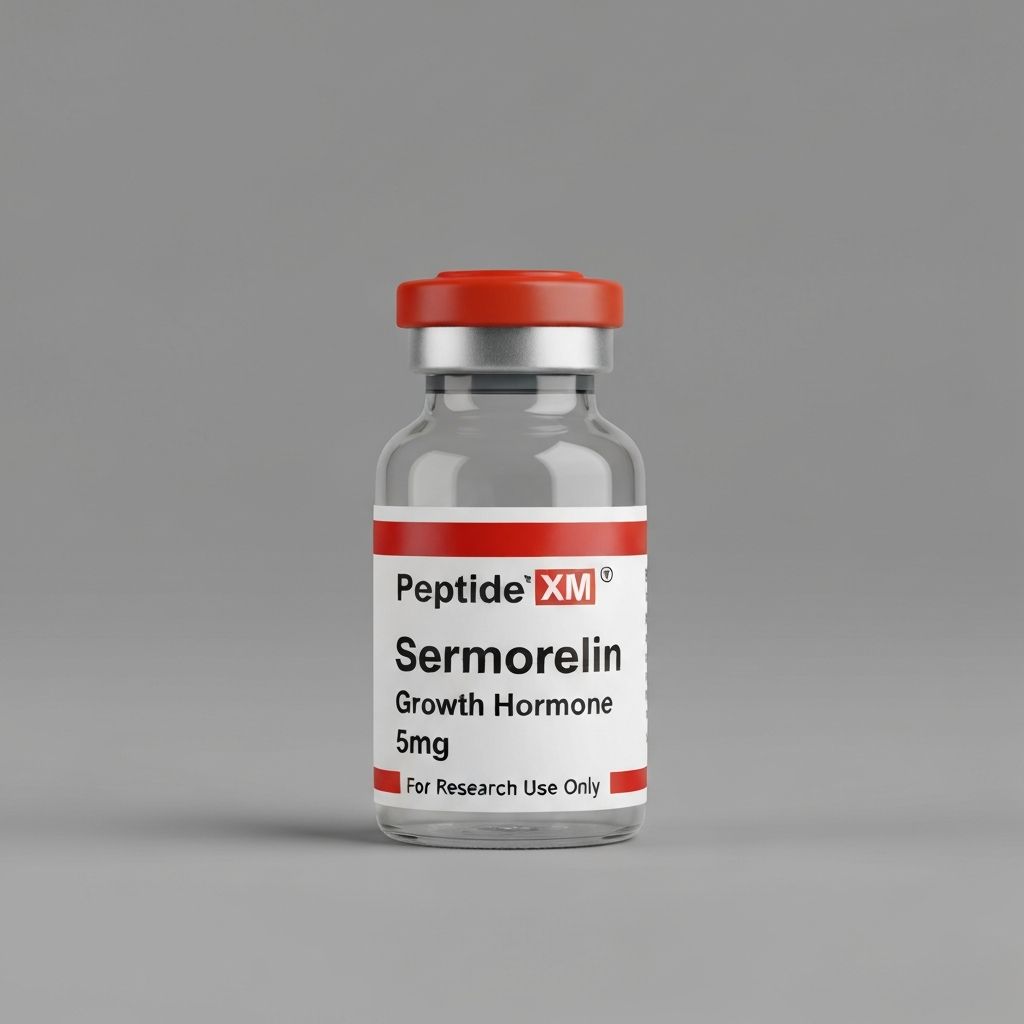
Growth Hormone
Sermorelin
Growth hormone releasing hormone analog for GHRH receptor studies.
View product →
Sermorelin is a synthetic analog of growth hormone‑releasing hormone (GHRH). GHRH is a hypothalamic peptide that stimulates pituitary somatotrophs to release growth hormone (GH). In research, Sermorelin is used to study GH axis regulation, pituitary cell signaling, and downstream changes in IGF‑related pathways.Assay endpointsIn vitro pituitary cell lines or primary pituitary cultures. Measure GH release via ELISA in conditioned media.Signal transduction. cAMP accumulation and PKA activation are common readouts, because GHRH receptors are Gs‑coupled in many contexts.Downstream gene expression. IGF1 mRNA in target tissues or cells provides a slower transcriptional endpoint.Practical notesReceptor specificity: if you work in non‑pituitary cells, confirm that the GHRH receptor is present or use receptor expression systems.Fresh media sampling for hormone assays: GH is labile. Collect conditioned media on ice and freeze quickly. Use protease inhibitors if you expect significant proteolysis.Controls. Use a known GHRH antagonist or receptor knockdown to confirm on‑target effects.Practical lab handling and quality controlGood experimental outcomes depend as much on reagent handling as on study design. The following practices reduce artifacts and improve reproducibility.Reconstitution, storage, and sterilityReconstitutionLyophilized peptides are often supplied in powder. Reconstitute using sterile, nuclease‑free water or a small amount of dilute acid (0.01–0.1% acetic or trifluoroacetic acid) when solubility is low. Report the solvent in your methods.Make a concentrated stock (e.g., 1–10 mM) and aliquot into single‑use tubes. Avoid multiple freeze‑thaw cycles; they can fragment peptides or oxidize residues like methionine and cysteine.StorageShort term (days to weeks): store aliquots at 4 °C if the peptide is stable and the buffer is sterile. Longer term: –20 °C or –80 °C depending on vendor recommendations and your stability tests.Record storage time and conditions with each batch. Some peptides slowly degrade at –20 °C.Sterility and endotoxinFor cell culture work, sterile reagents are essential. Filter stocks through a 0.22 µm filter when compatible with the solvent.Endotoxin can confound immune or cytokine readouts. If your readout involves immune signaling, test peptide lots for endotoxin and report the level.Quality control checks to run before experimentsDon’t treat vendor QC as sufficient. Run your own checks.Identity: verify mass by MALDI‑TOF or LC‑MS. Look for the expected molecular ion and low levels of truncated species.Purity: use analytical HPLC to assess purity; report the percentage and chromatogram in methods when possible.Functional pilot: a short, focused pilot experiment with a positive control helps confirm that a new lot is bioactive in your hands.Choosing the right peptide for your study and combining reagentsMatch the peptide to the question. Want to probe ECM remodeling? GHK‑Cu and BPC‑157 appear most relevant. Studying hormone release or the GH axis? Consider Sermorelin or kisspeptin tools depending on the axis. For metabolic enzyme regulation and NAD+‑dependent processes, include NAD+ measurements and sirtuin/PARP assays.Combining reagents can be informative but increases complexity. If you plan co‑treatments:Run single‑agent controls for concentration and time course first.Test for simple pharmacodynamic interactions—does one reagent alter the apparent concentration–response curve of the other?Check for overlapping toxicity or off‑target signaling. For example, copper in excess can be cytotoxic and may confound GHK‑Cu studies if not controlled.Reporting practices and reproducibilityClear reporting makes your data useful to other researchers. Include these items in methods sections and in lab notebooks.Vendor, catalog number, lot number, peptide sequence, stated purity, and analytical data (HPLC chromatogram, mass spec) if available.Exact reconstitution solvent, concentration of stock, aliquot size, and storage conditions with dates.Assay details: cell line source and passage number, animal strain and age if applicable, timing of sampling, and normalization approach for quantitative assays.Closing notesThese five reagents cover a range of experimental questions: ECM remodeling, metabolic cofactor biology, tissue repair models, reproductive signaling, and pituitary axis studies. Use appropriate controls, validate each new batch, and report full methodological details. Thoughtful design and careful handling will make your peptide experiments far more reproducible and interpretable.All products and protocols discussed are for laboratory research use only. This article does not provide medical advice or endorse human use.