Wegovy (semaglutide): a practical research overview for peptide labs
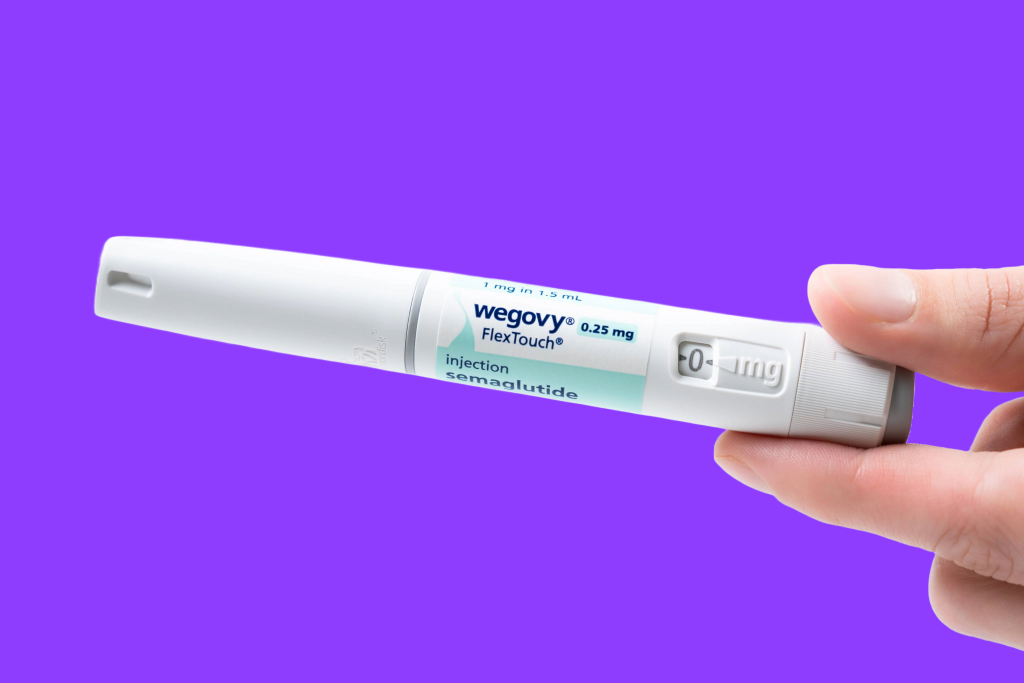
On a cold morning in a university vivarium, a postdoc unpacks a new box of semaglutide vials and lays out a 68-week in vivo protocol on the bench notebook: weekly dosing, metabolic readouts, liver histology at the endpoint. The paperwork lists STEP trial endpoints alongside preclinical hypotheses — a clear moment when clinical data meets bench research. That scene frames this primer: what semaglutide (commercially known as Wegovy) is, what the clinical literature reports, and what practical considerations matter to labs studying GLP-1 pathway biology.
What is Wegovy (semaglutide)?
Wegovy is the trade name for semaglutide formulated and marketed for chronic weight management. Chemically, semaglutide is a synthetic glucagon-like peptide-1 (GLP-1) receptor agonist with modifications that increase albumin binding and slow renal clearance. The molecule is a 31–amino-acid peptide with a C18 fatty diacid side chain attached via a spacer, which markedly extends its plasma half-life compared with native GLP-1.
For researchers, two facts stand out: the molecule is engineered for once-weekly systemic exposure, and the clinical program generated robust, long-duration data that many labs use as a translational reference point when designing rodent or cell-based studies.
Mechanism of action: GLP-1 receptor and the central appetite network
Semaglutide is a GLP-1 receptor agonist. It activates GLP-1 receptors expressed in pancreatic islets, vagal afferents, and multiple brain regions — notably the arcuate nucleus and nucleus tractus solitarius. Receptor activation increases glucose-dependent insulin secretion in the presence of elevated glucose; it also modulates neural circuits that reduce food intake and alter reward-related feeding behaviour.
Key mechanistic observations that recur in preclinical studies:
Appetite suppression correlates with increased activation (c-Fos) in hypothalamic nuclei and reduced motivation for palatable food in rodent paradigms. Gastrointestinal effects — slowed gastric emptying in early phases — contribute to early satiety signals but tend to attenuate with chronic exposure. Peripheral metabolic effects (improved glycaemic control) are glucose-dependent; hypoglycaemia risk is mainly an issue when semaglutide is combined with insulin-secretagogues or insulin.
Preclinical evidence: what animal models show
Multiple rodent studies have examined semaglutide analogues across diet-induced obesity models, Zucker rats, and lean controls. Typical readouts include cumulative food intake, body weight trajectory, fat-pad weights, and glucose tolerance.
Representative findings reported in the literature and abstracts:
Chronic semaglutide reduces cumulative caloric intake and produces dose-dependent weight loss compared with vehicle over 4–12 weeks. Improvements in insulin sensitivity or glucose tolerance are often secondary to weight loss, though some studies report direct islet effects in short-term protocols. When paired with pair-feeding controls, some body-composition effects persist, suggesting both central and peripheral actions.
As with any translational step, dose scaling and pharmacokinetics differ between species. Rodent doses that give sustained receptor occupancy are not linearly equivalent to human weekly doses; plan pilot PK sampling if receptor-occupancy data are required for your design.
Clinical evidence: the STEP program, endpoints and numbers
The STEP (Semaglutide Treatment Effect in People with Obesity) series comprises multiple randomized, controlled trials that evaluated once-weekly semaglutide for weight management over roughly 68 weeks. Results commonly cited by researchers focus on percent body-weight change at primary endpoints and on cardiometabolic secondary outcomes.
Summary points drawn from the STEP program and associated publications:
Mean percent weight loss versus baseline clustered around the mid-teens for participants on semaglutide 2.4 mg once weekly; placebo arms typically lost single-digit percentages or less. Reported mean differences across trials were commonly in the 10–15 percentage-point range favoring semaglutide. Improvements in markers such as systolic blood pressure and glycaemic measures were observed, though the clinical program emphasised weight-loss endpoints. Adverse-event profiles were dominated by gastrointestinal symptoms; discontinuations for adverse events were higher in active arms than placebo.
For lab scientists, the STEP dataset serves as a reference: magnitude of effect, time-course (effects accrue over months), and the persistence of outcomes after treatment cessation are all valuable when interpreting animal or mechanistic studies.
Pharmacokinetics and formulation considerations
Semaglutide's pharmacokinetic profile is shaped by fatty-acid conjugation and albumin binding. The long effective half-life supports once-weekly subcutaneous administration in clinical practice. Key PK facts for study planning:
Elimination half-life in humans is on the order of days (supporting weekly dosing intervals). Subcutaneous administration yields prolonged systemic exposure; peak and trough concentrations depend on formulation and dose frequency. In small-animal studies, differences in plasma protein binding and clearance often necessitate more frequent dosing or adjusted concentrations to achieve steady receptor engagement.
Formulation notes: clinical Wegovy is supplied as a prefilled pen designed for human use. Research labs sourcing comparator GLP-1 pathway reagents will commonly use research-grade analogues with clearly documented purity and certificate-of-analysis. When reconstituting lyophilised peptides, maintain aseptic technique and follow stability data — refrigerated storage (2–8 °C) is standard unless vendor data specify otherwise.
Safety signals and monitoring relevant to research settings
Clinical trials and post-marketing surveillance highlight several safety considerations that labs should mirror in animal protocols and in vitro toxicology screening. These are not suggestions for human use; they are items to monitor and control for in experimental systems.
Gastrointestinal effects: nausea, vomiting and diarrhoea are the most frequent adverse events and can confound food-intake endpoints in animals if not recorded carefully. Gallbladder-related events and cholelithiasis showed a numerical increase in some trials — plan necropsy examinations accordingly. Pancreatitis signals were observed in spontaneous reports; for animal work include pancreatic histology and serum enzyme measurement where appropriate. Thyroid C‑cell tumours occurred in rodents with some GLP‑1 agonists in high-dose chronic studies; clinical relevance to humans is debated. If long-term rodent exposure is part of your protocol, include thyroid pathology in the readout. Hypoglycaemia risk is primarily when GLP‑1 agonists are combined with insulin or insulin secretagogues; in non-diabetic animal models this is less likely but blood glucose monitoring remains advisable during repeated-dosing studies.
Analytical detection: LC-MS/MS, immunoassays and sample handling
Accurate measurement of semaglutide or related analogues is central to PK/PD studies. Two assay families dominate: mass-spectrometry-based methods and ligand-binding immunoassays.
LC-MS/MS versus immunoassay
LC-MS/MS
Pros: high specificity, ability to distinguish modifications (for example, fatty-acylated forms), and quantitative linearity across a broad dynamic range. Cons: requires peptide extraction, stable isotope-labelled internal standards, and validated methods for each matrix (plasma, tissue homogenate).
Immunoassays
Pros: higher throughput and lower instrumentation barrier for routine labs; suitable for high-sample studies such as large PK timecourses. Cons: cross-reactivity with endogenous peptides or close analogues can bias results; antibodies may not discriminate between truncated or modified forms.
Sample handling tips:
Collect plasma into appropriate anticoagulant and add protease inhibitors if prolonged handling is expected. Freeze samples at −80 °C for long-term storage; avoid repeated freeze-thaw cycles. Document extraction recoveries and matrix effects during method validation — semaglutide's lipophilic side chain can change extraction efficiency.
Comparators in the research catalog and when to use them
Labs investigating GLP-1 signalling sometimes use research-grade GLP-1 analogues or pathway modulators rather than clinical formulations. Choosing the right compound depends on whether your aim is receptor pharmacology, metabolic phenotyping, or biophysical study.
For receptor-focused work and translational comparisons, research GLP-1 analogues with defined purity and stability data make sense. For metabolism-focused exploratory projects, shorter peptides or fragments may be appropriate because they simplify PK modelling.
Two examples from the research catalog that some labs find useful as comparators or starting points:
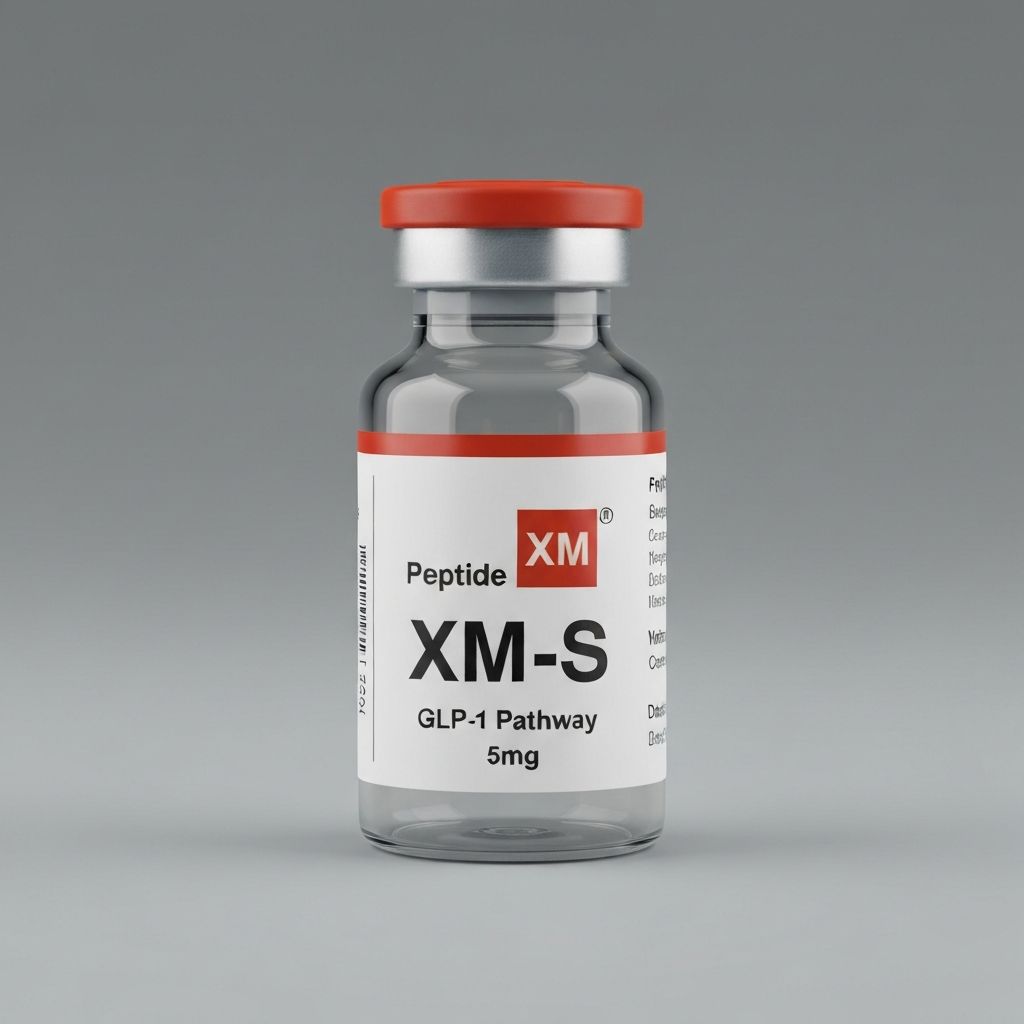
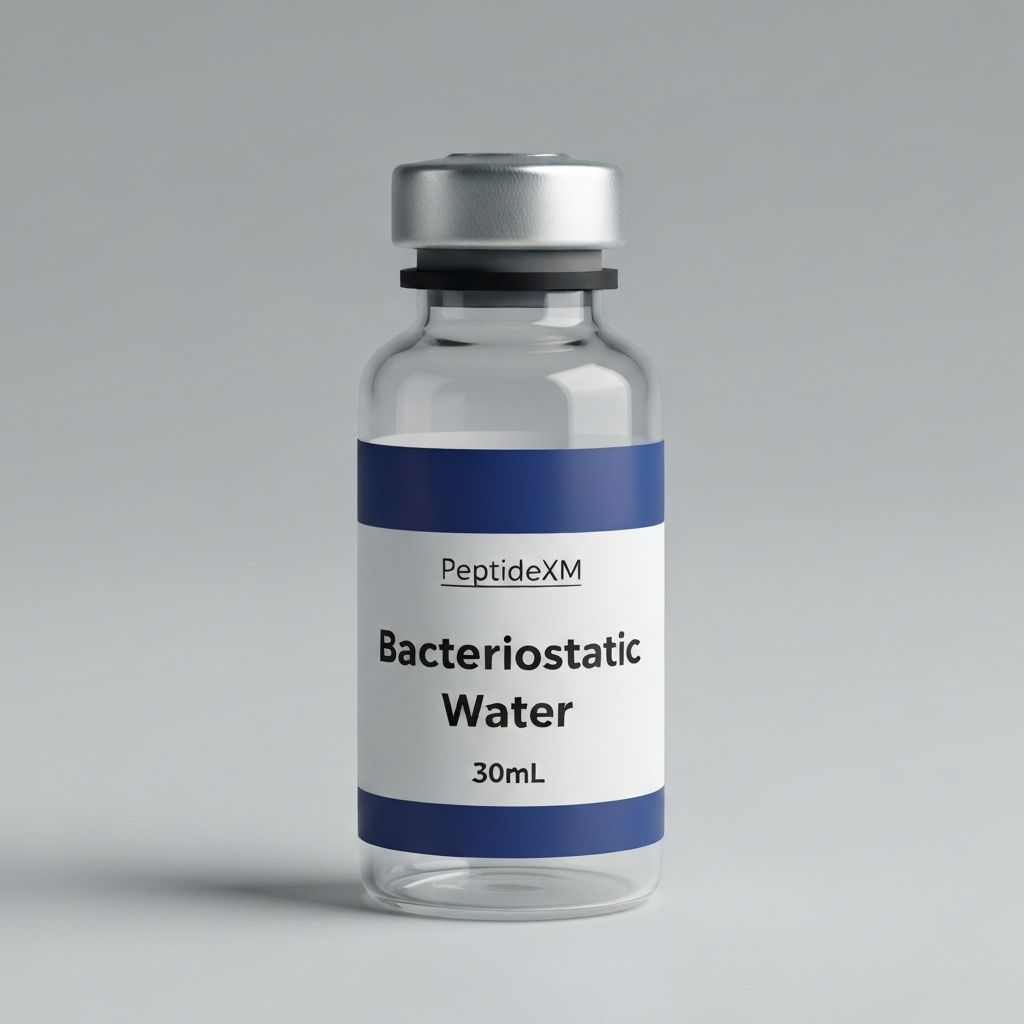
Those entries are research reagents — check each product's certificate of analysis and recommended storage. Do not infer clinical equivalence from catalog descriptions. Always align reagent choice with your protocol's scientific question and with institutional approvals.
Practical lab handling, compounding and regulatory notes
Prudent lab practice reduces variability and keeps results reproducible. A few operational points to include in your standard operating procedures:
Record lot numbers and expiration dates for each peptide reagent. Maintain certificates of analysis in the study binder. Use aseptic technique when reconstituting lyophilised peptides if they will be administered to animals. Confirm sterility per institutional animal-care rules. Document storage conditions (temperature, light exposure) and any transfer steps between freezers or refrigerators. Plan PK sampling windows around predicted Tmax and steady-state behaviour; for once-weekly analogues, measure troughs to confirm persistent exposure. Follow institutional and federal rules for controlled substances and for shipping/import of peptide reagents.
Note on compounding: many clinical products are supplied in ready-to-use delivery systems. Research labs often work with lab-grade lyophilised peptides that require reconstitution; never substitute clinical syringes or patient-directed devices for lab workflows unless cleared by institutional oversight.
Open questions and useful control experiments
Despite extensive clinical data, mechanistic gaps remain that are fertile for bench research. A short list of testable questions and control experiments:
Time-dependent changes in gastric-emptying: include scintigraphic or labelled-meal assays in rodents to separate acute from chronic effects. Central versus peripheral receptor activation: combine central microinjection or CNS-restricted antagonists with systemic dosing. Receptor desensitisation or internalisation kinetics after repeated exposure: plan receptor-binding assays and immunohistochemical receptor-trafficking readouts. Comparative metabolomics: pair untargeted metabolomics with tissue histology to understand metabolic shifts beyond weight loss.
Good negative controls are as important as active comparators. Use vehicle controls, pair-feeding groups when measuring weight effects, and, where possible, receptor knockout or antagonist-treated animals to confirm mechanism.
Final notes and returning to the bench
Back in the vivarium the postdoc sets a timer for the first PK bleed, ticks the sample collection box, and tapes the STEP figures to the side of the incubator for reference. That mix of clinical context and careful bench technique is exactly the setup that produces reproducible, interpretable data. Wegovy (semaglutide) offers a well-characterised clinical signal and a distinct pharmacokinetic profile — both are assets for translational research, provided experiments are designed with species-specific PK, appropriate assays, and rigorous controls.
Remember: this article is a research-focused overview. It does not recommend human use or dosing. Consult regulatory guidance and institutional review boards before beginning in vivo work.