When Does Appetite Reduction Start? Timelines for GLP-1 and Related Peptides

Researchers commonly ask when appetite reduction first appears after dosing with GLP-1 agonists or related peptides. The short answer: some signals emerge within hours, but behavioral change usually stabilizes over days to weeks. Timing depends on mechanism, route, and how you measure appetite.
How the neurobiology produces early signals GLP-1 receptor agonists and several related peptides act on a small set of nodes that influence feeding: vagal afferents, brainstem nuclei (nucleus tractus solitarius), and hypothalamic centres (arcuate nucleus). Those pathways change neuronal firing quickly. Electrophysiology and imaging studies show altered activity inside the first 30–120 minutes after systemic exposure in preclinical models and in human imaging work. Two proximate mechanisms produce rapid effects. First, direct central receptor activation changes satiety signalling in minutes to hours. Second, delayed gastric emptying reduces postprandial nutrient delivery, which shifts gut hormone release and subjective fullness over the next few hours. Together, they can create measurable reductions in hunger within a single day of exposure.
Pharmacokinetics versus behavioral endpoints: hours to weeks Pharmacokinetic profiles set the earliest possible onset. Short-acting peptides or native GLP-1 surges produce a pharmacodynamic window within hours; long-acting formulations reach steady state after several doses or after depot release, so central exposure is sustained rather than pulsed. That matters for acute testing. Behavioral endpoints, however, lag behind receptor engagement. In controlled studies, subjective appetite ratings (visual analogue scales) often change within 4–24 hours post-dose. Ad libitum energy intake reductions at a single test meal are commonly observed within 24 hours in both human and nonhuman primate studies. Detectable and reproducible changes in day-to-day eating patterns—habitual caloric intake, portion selection, and weight-adjacent markers—tend to emerge across one to many weeks, as neuroendocrine adaptation and compensatory physiology take effect.
What to expect from common research peptides Different peptides target overlapping but not identical mechanisms. GLP-1–centric molecules primarily modulate central satiety and slow gastric emptying. Amylin analogs add post-ingestive signalling, and dual- or triple-pathway compounds combine those actions.
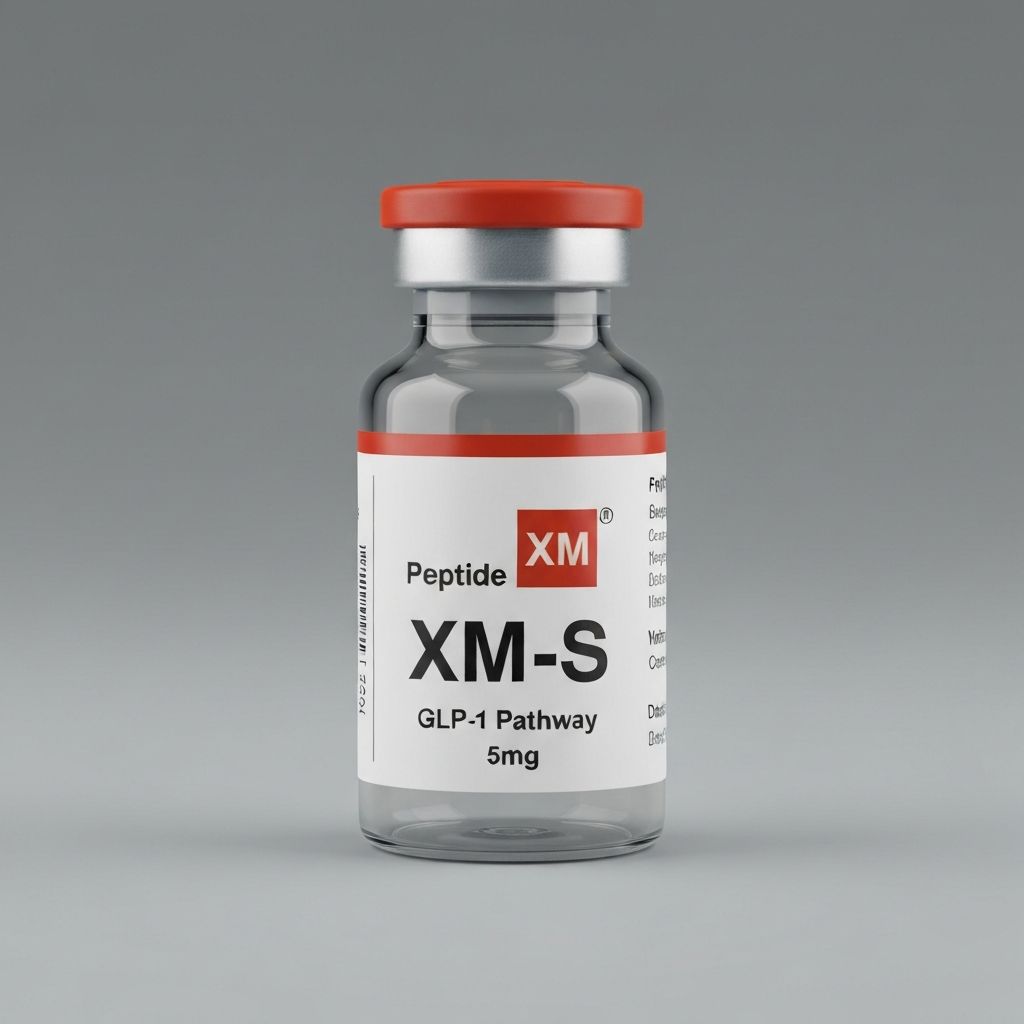
For a GLP-1–only research peptide, anticipate acute central effects within hours and measurable reductions in meal size at the first post-dose meal in many study designs. Repeated dosing often produces a clearer, more consistent behavioural signal across 1–4 weeks.
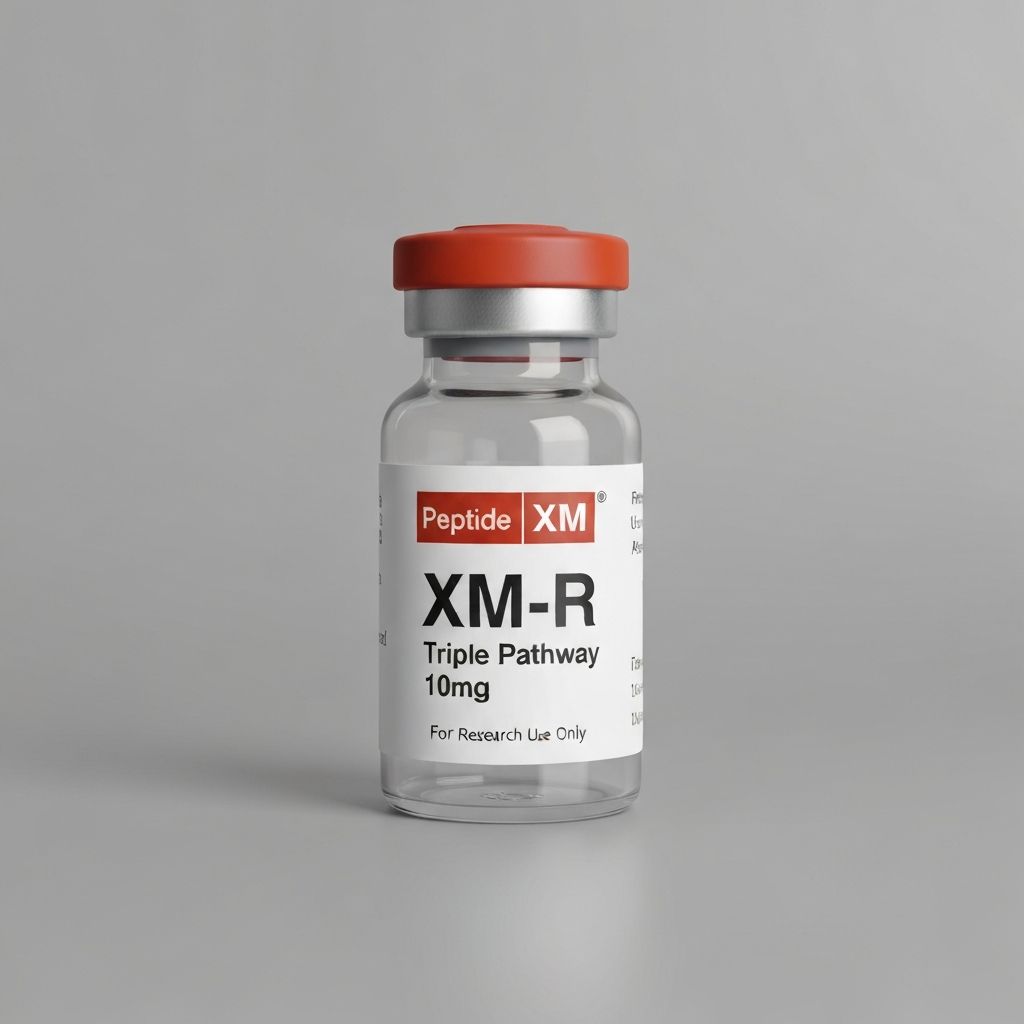
Compounds that stimulate multiple appetite-related pathways can show a similar or faster onset of subjective satiety because they engage additional gut–brain axes. That may make single-meal changes larger or more consistent, though the longer-term pattern still depends on exposure duration and compensatory mechanisms.
How to design studies to detect onset of appetite change Choice of endpoint dictates timing. If the goal is acute onset, use tightly controlled single-meal tests with pre-specified timepoints: baseline, 30–60 minutes, 2–4 hours, and 24 hours after dosing. Common tools include visual analogue scales (VAS) for hunger and fullness, ad libitum buffet or test-meal intake, and objective gastric-emptying measures (13C breath test or scintigraphy). For longer-term behavioural change, incorporate daily food diaries or weighed intake, preferably over at least 1–4 weeks. Randomized, placebo-controlled crossover designs with sufficient washout reduce variability and increase power to detect early effects. Combine subjective measures with objective markers—hormone assays (PYY, GLP-1), energy intake, and body-composition scans—to characterise progression from acute signalling to sustained behavioural change.
Acute protocols: VAS + single ad libitum meal, measure at 0.5–24 h. Subacute protocols: repeated dosing with daily intake logs, assess weekly for 2–6 weeks. Endpoints to include: hunger/fullness VAS, objective energy intake, gastric-emptying tests, and relevant plasma hormones.
Confounders and species differences Several factors blur onset estimates. Meal composition alters gastric-emptying and satiety signals—fat and protein both slow emptying more than carbohydrate. Prior fasting state amplifies early effects. Circadian timing matters: appetite signals vary across the day and with sleep quality. Species differences are also important. Rodents show rapid receptor-driven feeding suppression, but translating those minutes-to-hours windows into primates or humans requires caution. Pharmacokinetics differ between formulations and between species, so use pilot PK/PD sampling alongside behavioural assays when possible.
Appetite reduction can therefore appear quickly at the level of neural signalling and subjective feeling, yet the robust, reproducible changes in everyday intake usually require repeated exposure and thoughtful measurement. Design studies to match the timescale of the endpoint you care about, and pair behavioural tests with physiological readouts to separate acute receptor effects from longer-term adaptation.